Spine PRP (Platelet-Rich Plasma for Spine Pain)
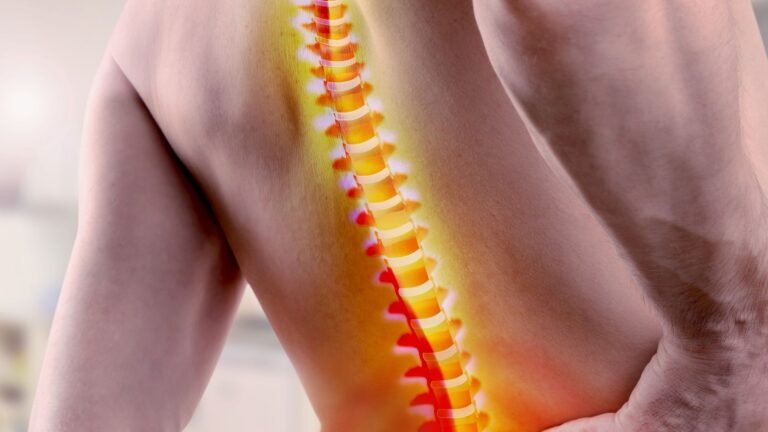
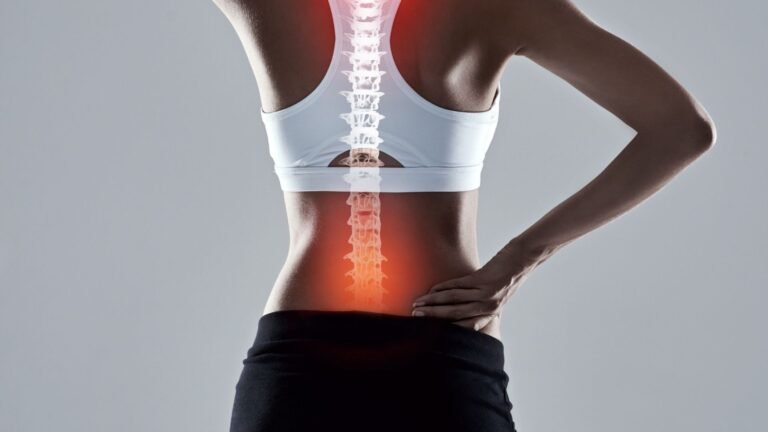
Spine PRP is a modern, biologic treatment for chronic back pain, disc-related pain and spine-related inflammation.
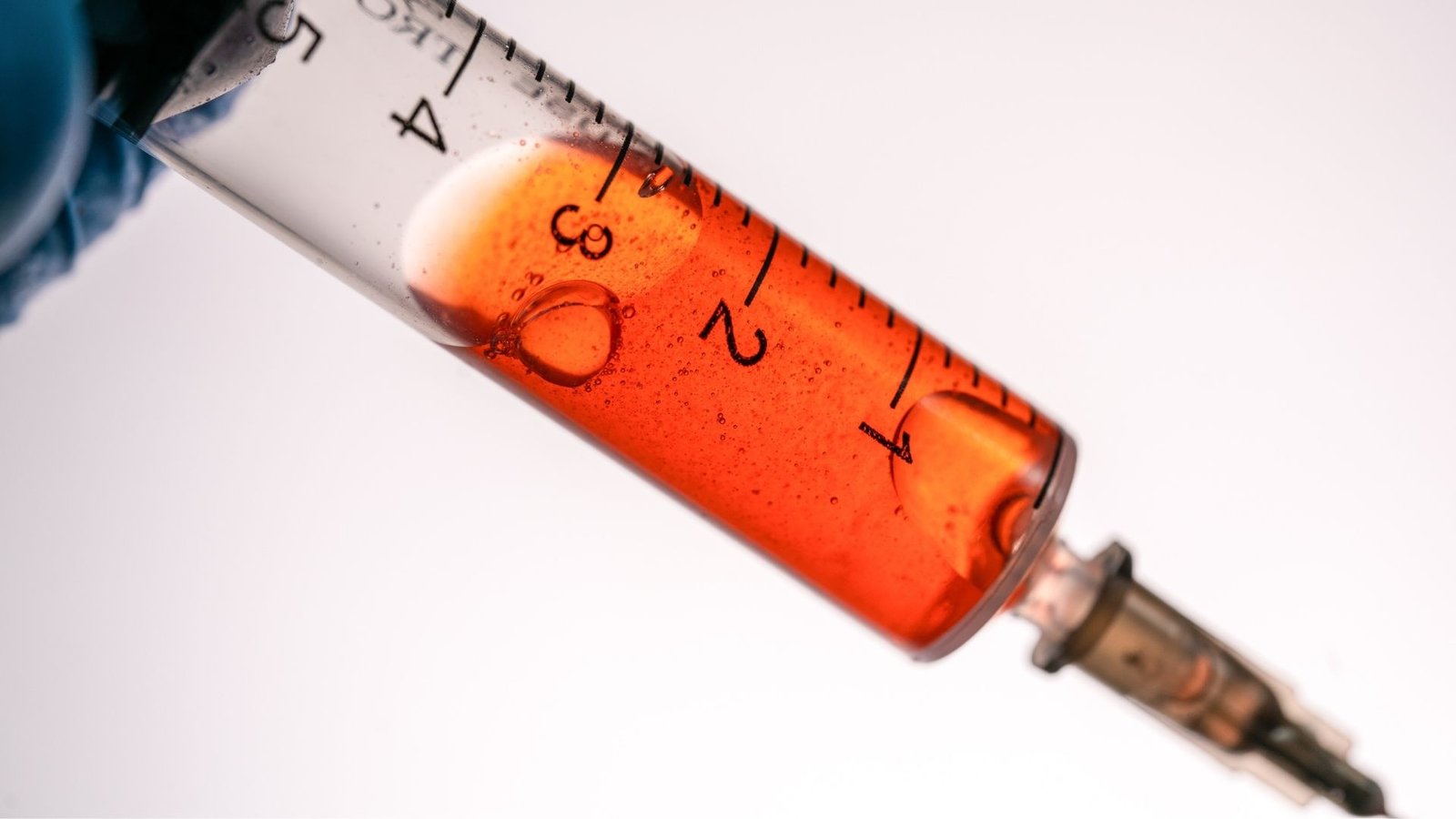
It uses Platelet-Rich Plasma (PRP) — a concentrated form of your own blood — to promote healing, reduce inflammation and improve spine function.
PRP works by delivering natural growth factors directly to the affected area, supporting tissue repair without surgery.
What Is PRP?
PRP (Platelet-Rich Plasma) is prepared from your own blood.
- A small amount of blood is withdrawn
- It is placed in a centrifuge
- Platelets are concentrated from the plasma
The resulting PRP contains:
- Growth factors
- Repair proteins
- Anti-inflammatory molecules
- Healing enzymes
These substances help the body repair damaged tissues and reduce painful inflammation naturally.
Because PRP is made from your own blood, it is safe and biocompatible.
How Does PRP Help the Spine?
Chronic back pain can occur when:
- A disc is inflamed
- Nearby ligaments or joints are irritated
- Small tears exist in the disc wall
- Facet joints are arthritic
- Nerve irritation causes pain
PRP helps by:
- Reducing inflammation
- Supporting disc healing
- Improving blood supply
- Repairing micro-injury
- Stabilizing the painful segment
- Improving mobility and function
PRP is not a painkiller — it stimulates natural healing over time.
Conditions Treated With Spine PRP
PRP can be helpful in:
- Discogenic back pain (pain arising from the disc)
- Lumbar disc bulge / prolapse (selected cases)
- Chronic low back pain
- Facet joint arthritis
- Sacroiliac (SI) joint pain
- Post-traumatic spine pain
- Back pain due to overuse injuries
- Annular tear-related pain
- Persistent pain after conservative treatment
Your doctor will examine you and review your MRI to confirm suitability.
Why Consider PRP for the Spine?
PRP is useful when:
- Pain lasts > 6–8 weeks
- Medicines and rest are not enough
- Physiotherapy is limited by pain
- You want to avoid or delay surgery
- Steroid injections give only temporary relief
- You want a biological (natural) treatment
Many patients choose PRP when they prefer a regenerative approach rather than repeated pain medications.
How the Procedure Is Done
The procedure is usually done as a day-care/OPD procedure and takes 20–40 minutes.
- Blood collection
A small amount of blood is taken from your arm. - PRP preparation
Blood is processed to separate platelet-rich plasma. - Guidance
The painful area is identified using fluoroscopy (X-ray) or ultrasound. - Injection
PRP is injected at the target site — this may include:- Disc
- Facet joints
- Sacroiliac joint
- Ligaments supporting the spine
- Dressing
A small bandage is applied. No stitches required.
You can usually go home shortly after the procedure.
What to Expect After PRP
- Mild soreness for 24–72 hours is expected
- Avoid heavy lifting for a few days
- Pain relief usually begins in 2–6 weeks
- Peak benefit may take 8–12 weeks
- Physiotherapy is important to regain strength
PRP works slowly because it uses your body’s healing process, but the results are often long-lasting.
Advantages of Spine PRP
- Uses your own blood
- No steroids or chemicals
- Can delay or avoid surgery
- Improves tissue healing
- Helps treat the cause, not just symptoms
- Minimally invasive OPD treatment
- Very low risk of side effects
- Supports physiotherapy and rehabilitation
Many patients report better mobility, less pain and improved comfort in daily activities.
Is PRP Safe?
Yes.
Because PRP comes from your own blood, it is very safe.
Side effects are minimal and mostly limited to temporary soreness.
Your doctor will take precautions if you have:
- Uncontrolled diabetes
- Severe anemia
- Infection
- Blood disorders
A full evaluation is done before planning PRP.
PRP vs Steroid Injection
| Feature | PRP | Steroid |
|---|---|---|
| Source | Your own blood | Synthetic medicine |
| Action | Healing & repair | Reduces inflammation |
| Duration | Long-term | Short-term |
| Best for | Chronic pain | Pain flare-ups |
| Goal | Regeneration | Symptom relief |
Both treatments have their uses — the choice depends on patient condition and stage.
Who Is a Good Candidate?
PRP may be suitable for you if:
- Pain affects sleep or daily routine
- Pain persists despite medicines
- You want a non-surgical option
- X-ray/MRI shows disc-related issues
- You are not ready for spine surgery
- You want biologic treatment
Your doctor will guide you after evaluating your symptoms and imaging.
Key Takeaway
Spine PRP (Platelet-Rich Plasma) is a modern, safe and minimally invasive treatment for disc-related pain, facet arthritis and chronic low back pain.
By using your body’s own healing factors, PRP helps:
- Reduce inflammation
- Support tissue repair
- Improve movement
- Reduce long-term pain
- Delay the need for surgery
— all without hospital admission.