Dr. Rahul Chauhan
Specialist in shoulder, knee, spine endoscopy and ultrasound guided orthopedic procedures.
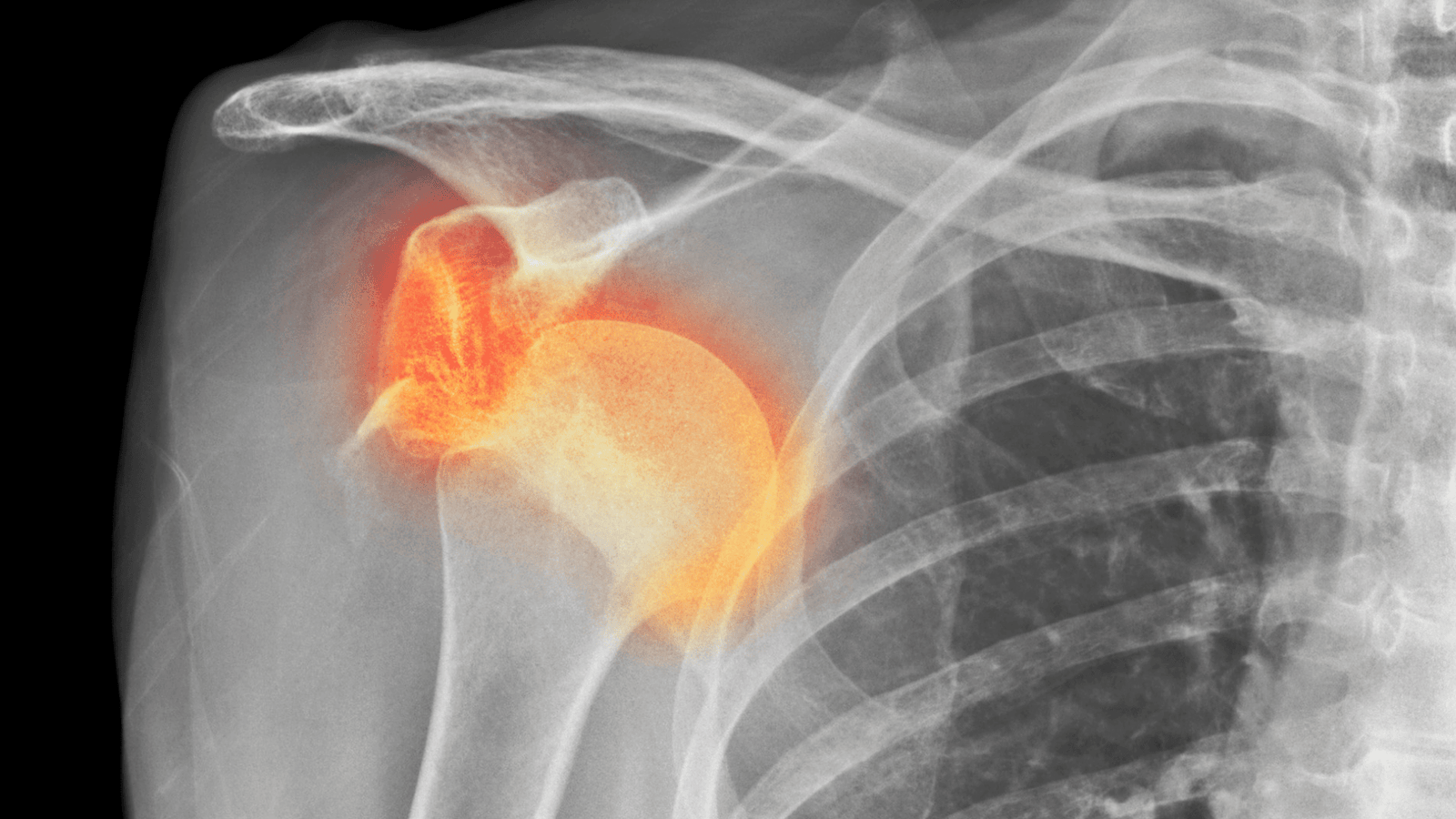
The shoulder is the most mobile joint in the body, which also makes it the most vulnerable to dislocation.
When a shoulder gets dislocated repeatedly, the condition is known as recurrent shoulder dislocation.
In most cases, the first dislocation causes a tear in the shoulder labrum — a ring-like structure that helps keep the shoulder ball inside the socket. If this tear does not heal properly, the shoulder becomes unstable and may slip out again, even with very minimal force.
The specific injury to the labrum that leads to repeated dislocations is called a Bankart’s lesion. To stop further dislocations, this lesion needs to be repaired surgically, a procedure known as Bankart’s repair.
Patients with recurrent shoulder dislocation usually describe:
On physical examination, the Apprehension Test is typically positive, indicating that the patient feels the shoulder is about to dislocate in the vulnerable position.
The diagnosis is supported by clinical examination and confirmed with MRI.
Typical MRI findings include:
Sometimes the labrum tear is associated with a fragment of bone that separates from the socket. This is called a Bony Bankart’s lesion.
Identifying whether there is bone loss in the glenoid cavity (shoulder socket) is key to choosing the right surgical treatment.
Recurrent shoulder dislocation does not improve permanently with medicines or physiotherapy alone.
Surgery is the only definitive treatment to restore stability.
The goal of surgery is to repair structural damage, restore stability, and allow the patient to return to normal activities — including sports — with confidence.
Recurrent shoulder dislocation is caused by structural damage in the shoulder, most commonly a Bankart’s lesion. Repeated episodes won’t stop on their own and may progressively worsen. Timely surgical repair prevents further dislocations, protects the joint from long-term damage, and helps patients regain full and stable shoulder function.