Dr. Rahul Chauhan
Specialist in shoulder, knee, spine endoscopy and ultrasound guided orthopedic procedures.
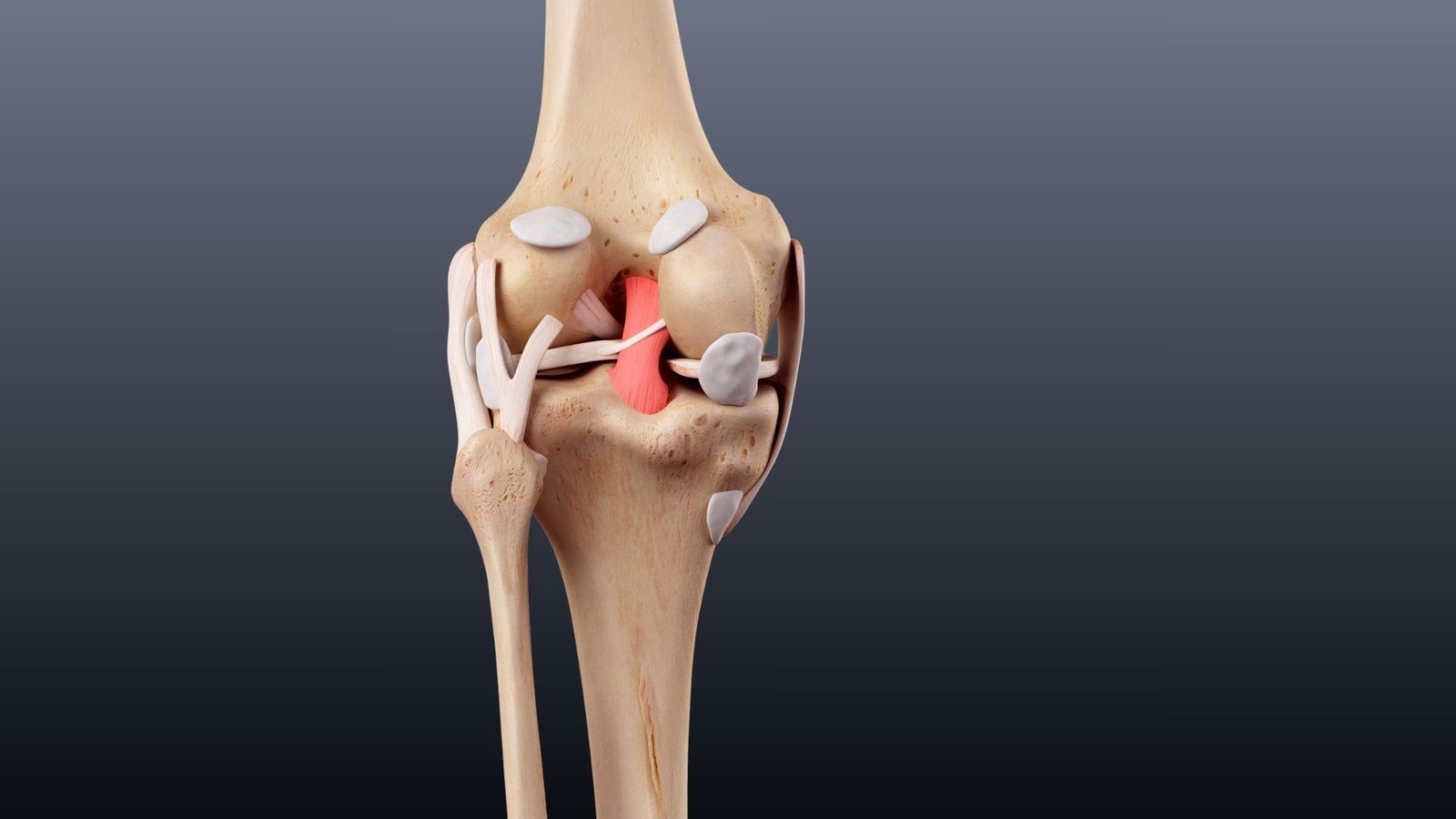
The Posterior Cruciate Ligament (PCL) is one of the four major ligaments inside the knee. It connects the thigh bone (femur) to the shin bone (tibia) and plays a key role in preventing the tibia from moving backward. Along with the ACL, the PCL keeps the knee stable during walking, running, jumping and changing direction.
Although PCL injuries are less common than ACL injuries, they can lead to knee pain, instability and difficulty with sports or daily activities if not treated properly.
The most common way the PCL gets injured is through a direct blow to the front of the shin when the knee is bent.
Typical situations include:
PCL injuries can occur alone or together with other ligament or meniscus injuries.
Signs and symptoms vary depending on the severity of the injury:
While ACL injuries often cause dramatic instability, PCL injuries may appear milder initially — which sometimes causes patients to delay treatment.
Diagnosis requires:
MRI is used to confirm the diagnosis and see whether the tear is:
X-rays may also be taken to rule out fractures.
Treatment depends on the severity of the tear and level of knee instability.
Most isolated Grade 1 and Grade 2 PCL tears respond well to:
Many patients recover good function with structured rehabilitation.
Surgery is recommended in the following cases:
Surgery is done by arthroscopic PCL reconstruction, where the torn PCL is removed and replaced with a graft (usually hamstring, peroneus longus, quadriceps tendon, or allograft). The graft functions as the new PCL and helps restore stability.
Goals of PCL reconstruction:
Recovery time varies depending on severity and treatment.
Typical recovery roadmap:
| Phase | Milestones |
|---|---|
| 0–6 weeks | Brace support, guided physiotherapy begins |
| 6–12 weeks | Improved walking, increased strengthening |
| 3–6 months | Light jogging and functional training |
| 6–9 months | Return to most sports |
| 9–12 months | Return to high-impact or pivoting sports (after clearance) |
Strong physiotherapy commitment is crucial for the best outcome.
PCL injuries may seem mild initially, but untreated instability can lead to cartilage damage and early arthritis.
With timely diagnosis and the right treatment — whether rehabilitation or arthroscopic reconstruction — most patients regain a stable, pain-free and active knee.