Dr. Rahul Chauhan
Specialist in shoulder, knee, spine endoscopy and ultrasound guided orthopedic procedures.
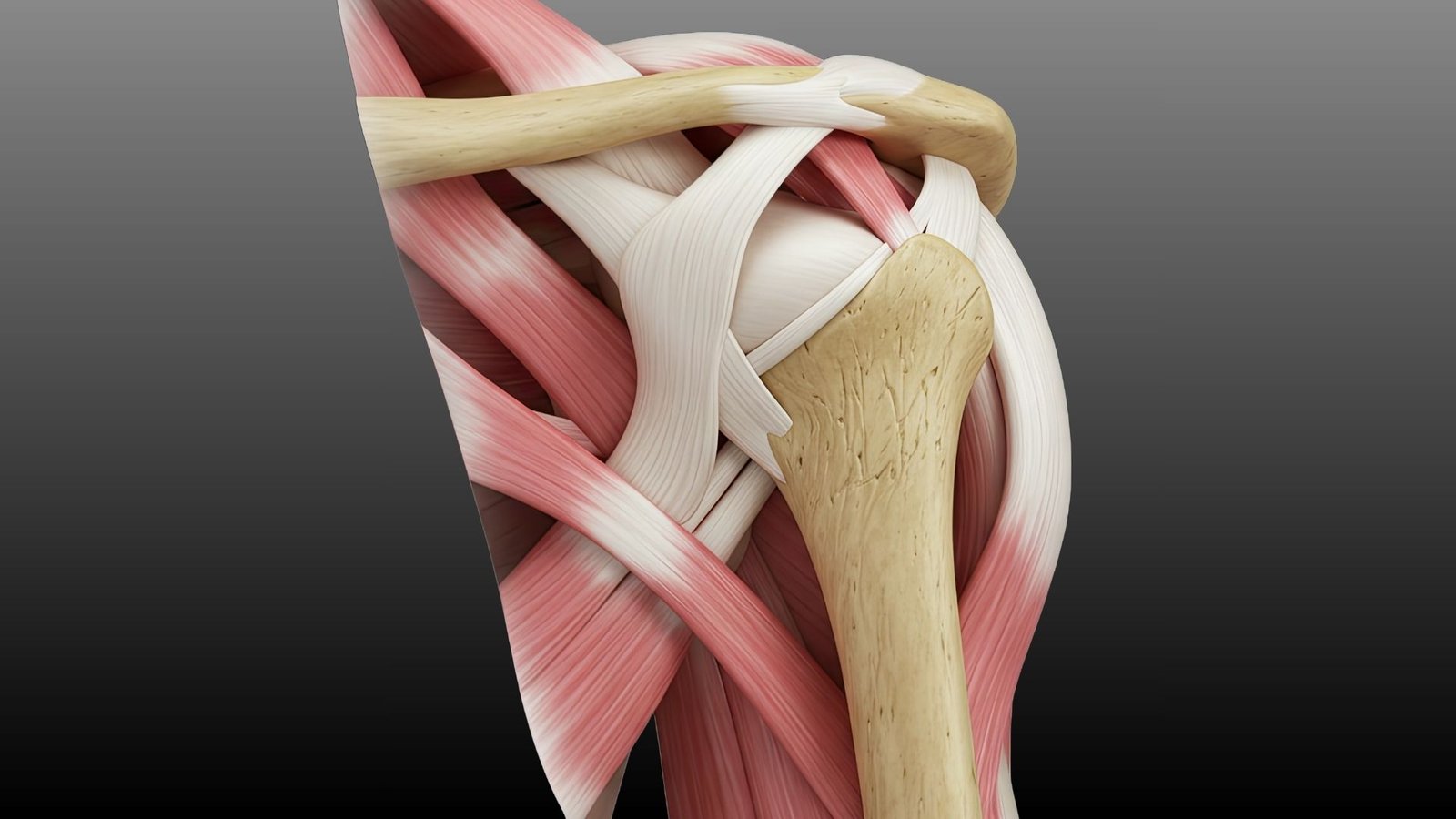
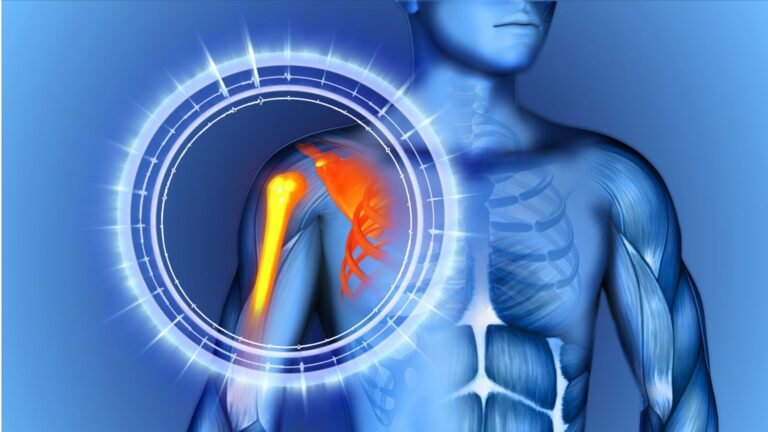
The acromioclavicular (AC) joint is the small joint on the top of the shoulder where the collarbone (clavicle) meets the shoulder blade (acromion).
Injury to this joint is commonly called a shoulder separation. It usually occurs after a fall on the shoulder, sports trauma, or road accidents.
In simple injuries, the ligaments are stretched. In severe injuries, the ligaments tear and the collarbone becomes displaced.
MIS AC joint fixation is a minimally invasive surgery used to realign and stabilize the AC joint when the injury is severe.
Instead of a large incision and open surgery, the procedure is performed through a small incision with special instruments. Sometimes, the surgery can be assisted arthroscopically (camera-based keyhole technique).
The goal is to restore the normal position of the clavicle, allow the ligaments to heal and bring back full shoulder function.
Not all AC joint injuries need surgery.
MIS AC joint fixation is advised when:
Athletes, laborers, and young active patients often benefit from surgical fixation.
A simplified overview:
Because tissues are preserved, healing is faster and scarring is minimal.
Compared to traditional open surgery, minimally invasive fixation offers:
These benefits are especially important for athletes and active individuals.
Healing takes time because the ligaments need to repair and become strong again.
Typical recovery timeline:
| Time | Progress |
|---|---|
| 2–6 weeks | Immobilization in sling; gentle physiotherapy |
| 6–12 weeks | Increase movement; start strengthening |
| 3–4 months | Resume light sports |
| 6 months | Full activity, heavy work, overhead sports (after clearance) |
Physiotherapy is a key part of recovery, helping regain strength and restore shoulder motion.
Patients with severe AC joint injuries may have:
If these symptoms affect daily life, surgical correction provides good outcomes.
MIS AC joint fixation provides:
Modern implants allow natural movement of the clavicle, helping reduce stiffness.
MIS AC joint fixation is an advanced, minimally invasive solution for severe AC joint injuries and shoulder separation. With a small incision and modern implant systems, it helps restore normal alignment, reduce pain, and return to full shoulder function — especially important for athletes and active individuals.