Dr. Rahul Chauhan
Specialist in shoulder, knee, spine endoscopy and ultrasound guided orthopedic procedures.
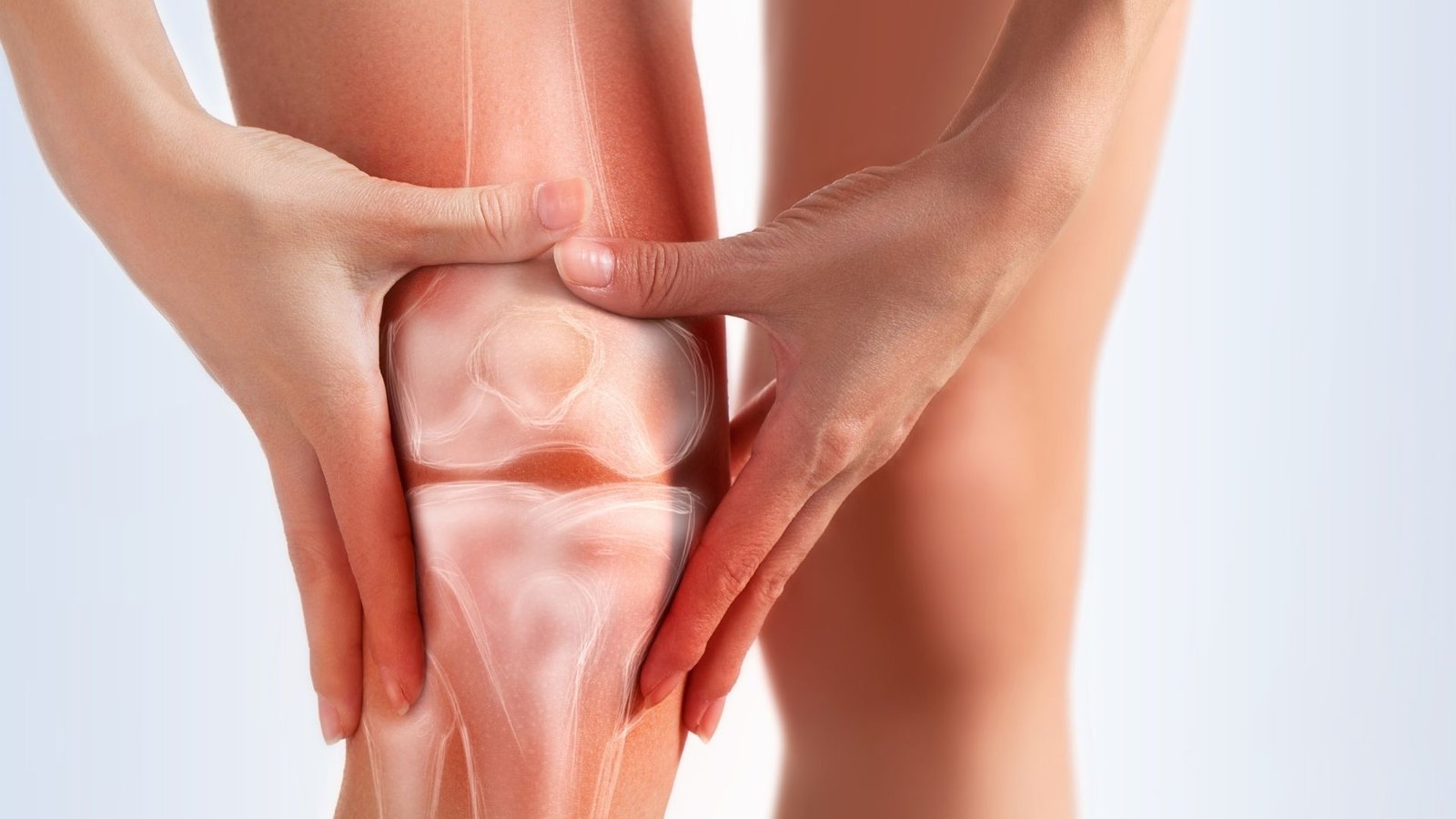
Knee pain is one of the most common joint complaints across all age groups. It can start suddenly after an injury or develop gradually over time due to wear and tear. The pain may be felt in the front, back or sides of the knee and may be accompanied by swelling, stiffness, weakness or difficulty walking.
Knee pain shouldn’t be ignored. Identifying the cause early makes treatment easier and prevents long-term joint damage.
Knee pain can happen for many reasons. Some of the most frequent causes include:
Tears of the ACL, PCL, MCL or LCL can cause sudden pain, swelling and instability of the knee. These usually occur during sports or accidents.
Damage to the shock-absorbing cartilage in the knee can cause pain while turning, squatting or climbing stairs. Locking or clicking of the knee is common.
Progressive wear and thinning of cartilage causes pain, stiffness and swelling, especially in middle-aged and older adults.
Pain around or behind the kneecap, commonly caused by muscle imbalance, overuse or poor alignment. Often seen in runners and gym-goers.
Inflammation of the quadriceps or patellar tendon from repetitive stress. Pain increases during jumping or running.
Swelling of the fluid-filled sacs (bursae) around the knee due to trauma or prolonged kneeling.
Injuries from falls, road traffic accidents, or sudden twists can also lead to persistent knee discomfort if untreated.
If knee pain interrupts daily work, sleep, exercise or sports, medical evaluation is important.
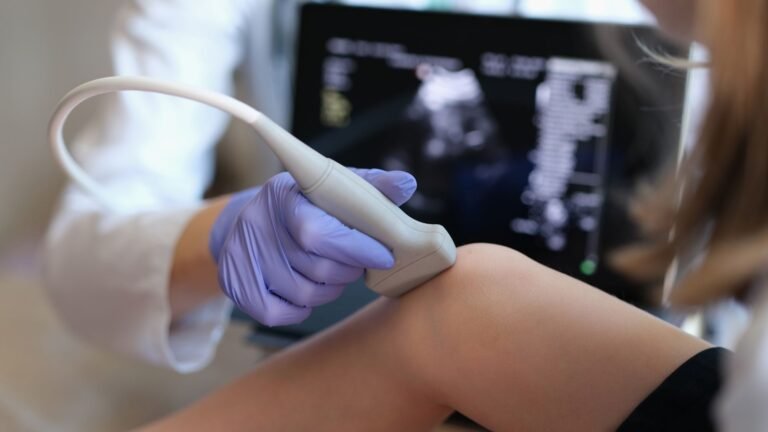
A doctor may use the following to determine the cause of knee pain:
Treatment depends on the cause and severity of pain.
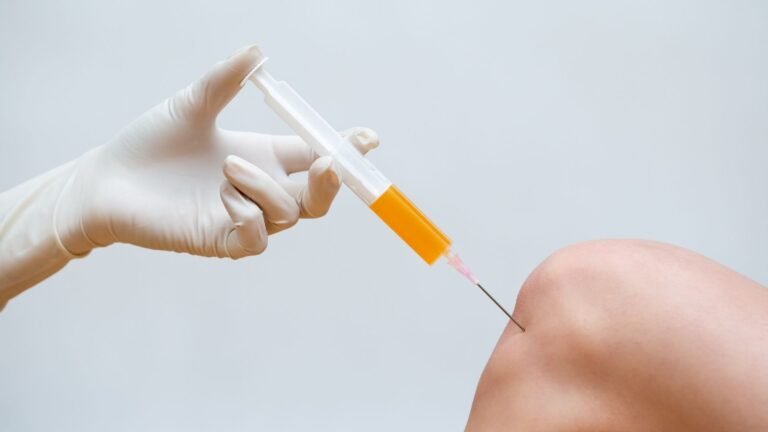
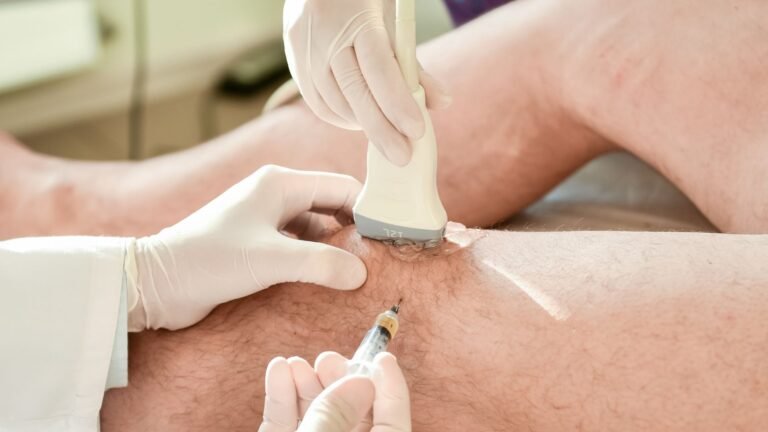
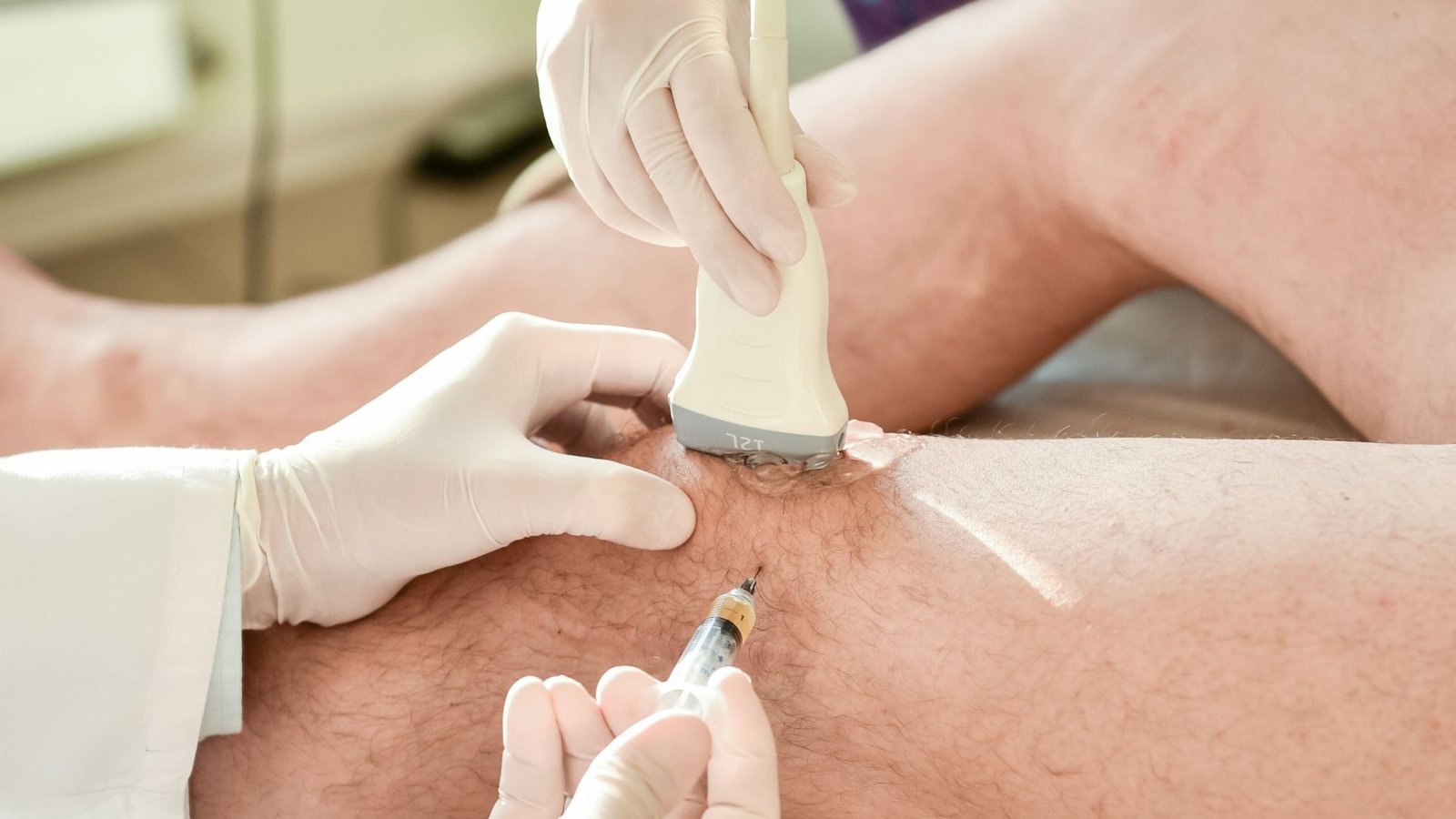
These aim to reduce inflammation and improve joint lubrication.
If pain persists despite conservative treatment or if major structural damage exists, surgery may be recommended. Common procedures include:
Safe, low-impact exercises can strengthen the muscles that support the knee:
Avoid high-impact activities (jumping, running on hard surfaces) during painful phases.
Consult us if:
Prompt treatment prevents long-term joint damage and helps maintain mobility.