Dr. Rahul Chauhan
Specialist in shoulder, knee, spine endoscopy and ultrasound guided orthopedic procedures.
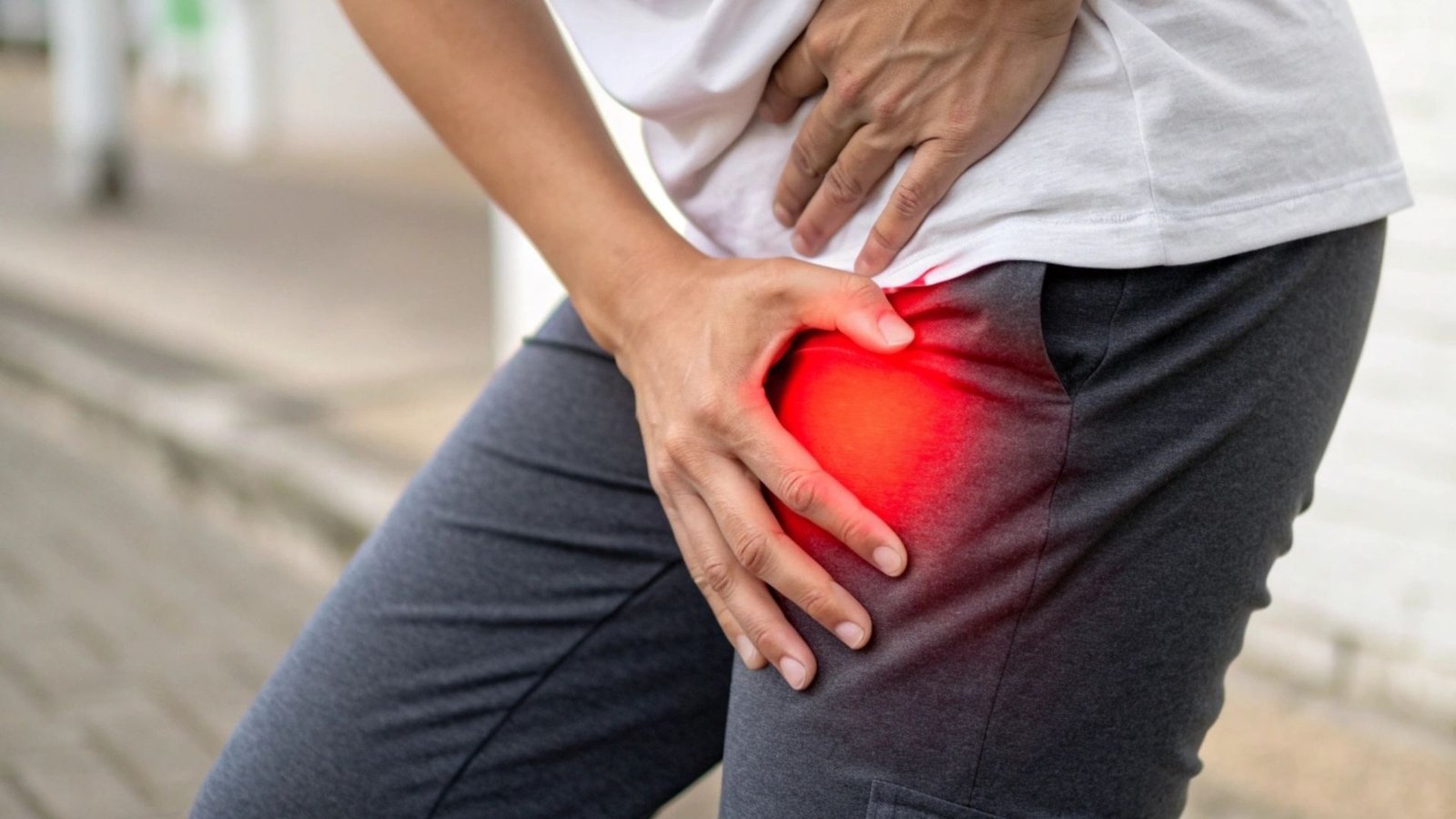
Hip osteoarthritis is a condition in which the smooth cartilage covering the ball-and-socket hip joint gradually wears away. As the cartilage becomes thinner, the bones start rubbing against each other, leading to pain, stiffness and reduced movement.
It is one of the most common causes of chronic hip pain in adults.
Early treatment and lifestyle modifications can significantly slow the progression and improve quality of life.
Hip arthritis develops slowly over many years. Common reasons include:
The cartilage naturally becomes thinner as we get older.
Hip fractures, childhood hip disorders or earlier trauma may lead to arthritis later.
Some people inherit a tendency for early cartilage degeneration.
Extra weight increases the load on the hip joint.
Conditions like developmental dysplasia, Perthes disease or femoroacetabular impingement (FAI) can lead to early arthritis.
Rheumatoid arthritis, gout or infections may damage joint cartilage.
Patients often experience:
Symptoms usually worsen gradually but can flare up with activity.
Diagnosis includes:
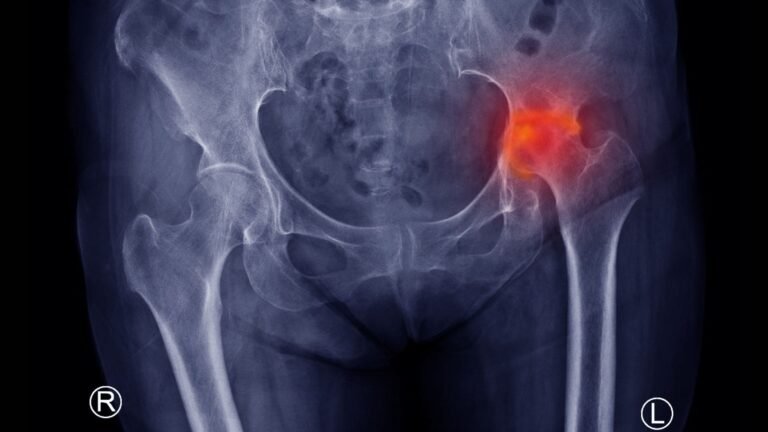
The most important test for hip osteoarthritis. It shows:
Used in early cases or when soft tissue problems are suspected.
Treatment depends on severity. Many patients improve without surgery in the early stages.
Reduces pressure on the hip and helps slow joint damage.
In selected cases:
Surgery is considered when pain interferes with routine activities and non-surgical treatment no longer helps.
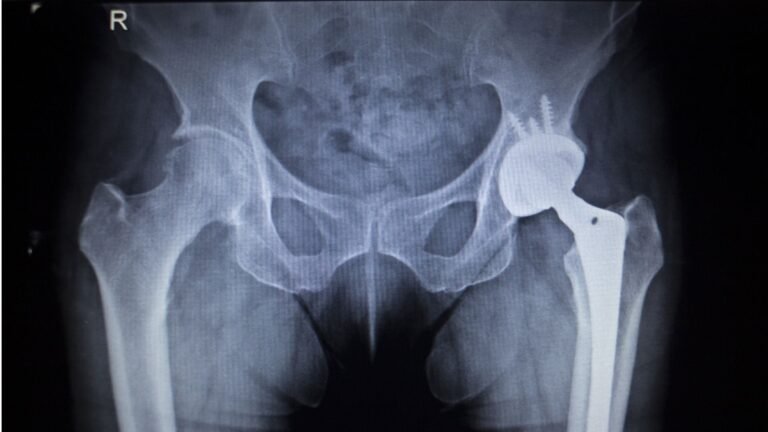
The damaged ball and socket are replaced with artificial components that restore smooth movement.
Benefits include:
Minimally invasive options such as the Direct Anterior Approach provide faster recovery and fewer movement restrictions.
Hip osteoarthritis is a progressive but manageable condition. With early diagnosis, focused physiotherapy, lifestyle adjustments and — when necessary — surgical intervention, most patients can regain comfortable mobility and return to normal activities.