Epidural Steroid Injection (ESI)

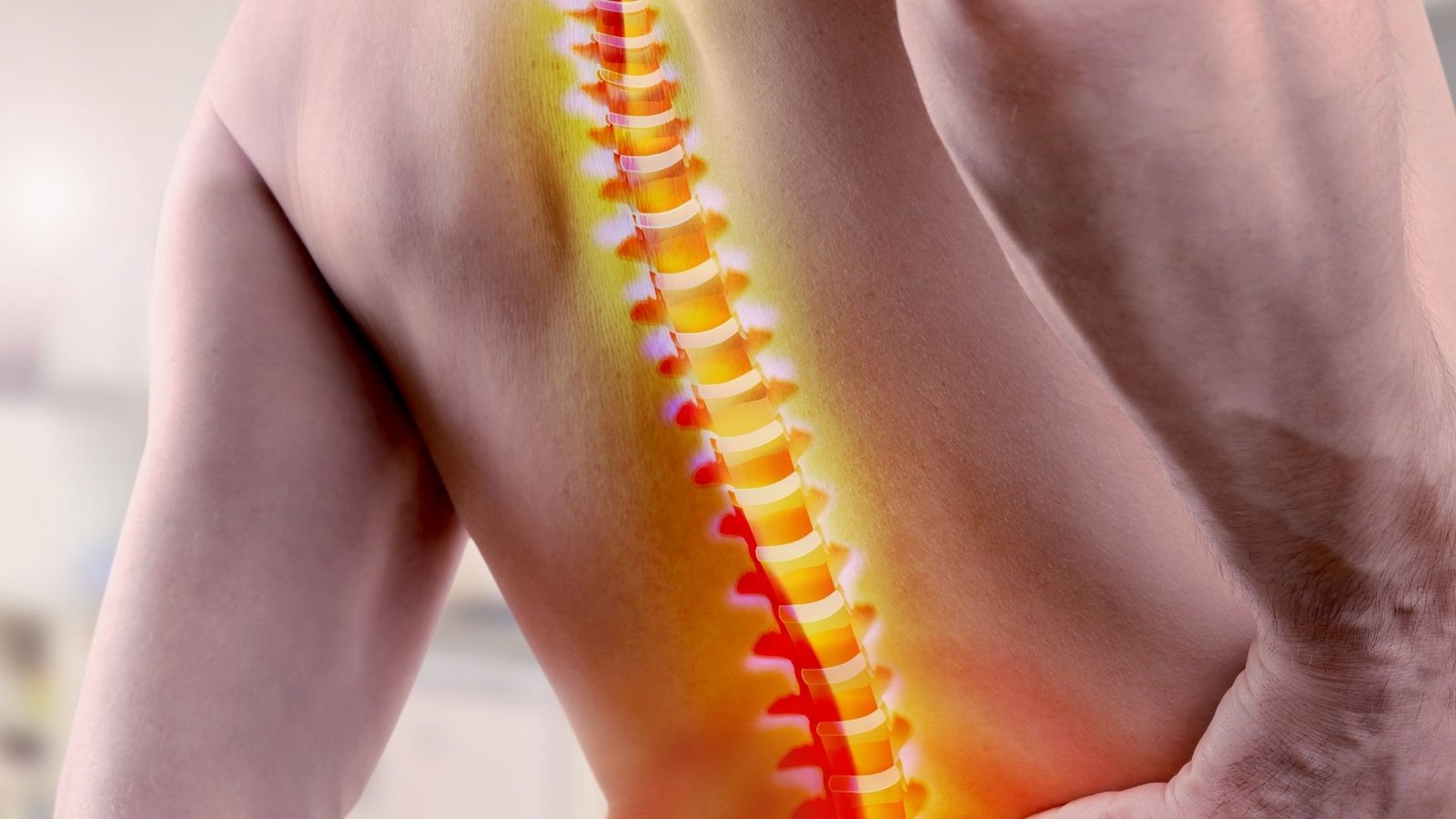
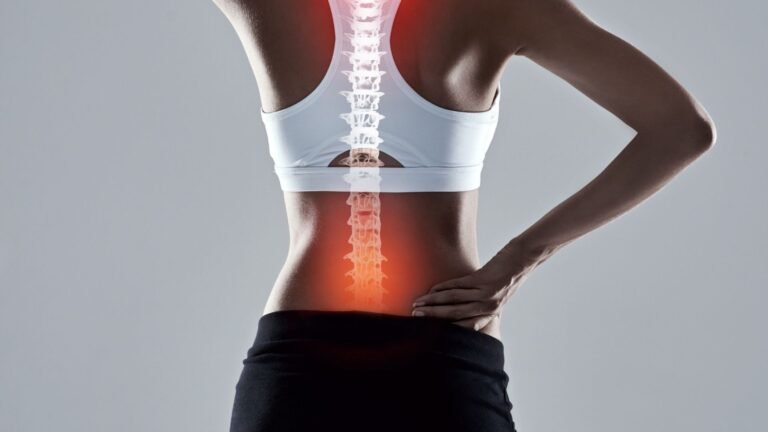
An Epidural Steroid Injection (ESI) is a minimally invasive procedure used to treat back pain, neck pain and radiating nerve pain that travels down the leg (sciatica) or into the arm.
It delivers anti-inflammatory medicine (steroid) into the epidural space around the irritated nerves, helping reduce swelling and relieve pain.

ESI is especially helpful when pain makes it difficult to walk, sit, stand or continue physiotherapy.

What Is the Epidural Space?

Your spinal cord and nerves are surrounded by several protective layers.
The epidural space is the area just outside the dura (outer covering of the nerves).
When a disc bulges or there is inflammation around a nerve, the epidural space becomes tight and painful.

Injecting medicine into this space helps reduce inflammation right at the source.

When Is an Epidural Steroid Injection Recommended?

ESI helps in conditions where nerve irritation and inflammation cause pain:

It is usually recommended when:

  • Pain lasts more than 4–6 weeks
  • Medicines and physiotherapy are not enough
  • Pain radiates to leg/arm
  • Pain limits walking, sitting or sleep
  • Surgery needs to be avoided or delayed

How Does ESI Help?

The steroid reduces swelling, irritation and pressure around the nerve.

Benefits include:

  • Relief from radiating pain (leg or arm)
  • Reduction in numbness and tingling
  • Easier walking and sitting
  • Improves sleep
  • Allows physiotherapy to continue comfortably
  • Helps avoid or delay surgery in many patients

The injection does not weaken the disc, but it reduces inflammation so the nerve can heal.

Types of Epidural Steroid Injection

There are three common approaches:

1. Transforaminal Epidural Injection

  • Medicine is delivered right next to the affected nerve root
  • Highly targeted
  • Often used for disc bulge and sciatica

2. Interlaminar Epidural Injection

  • Medicine enters the epidural space from the midline
  • Spreads over a wider area
  • Useful when multiple nerves are irritated

3. Caudal Epidural

  • Medicine injected through the tailbone opening
  • Good for patients with previous spine surgery or multiple levels involved

Your spine specialist will choose the best route based on MRI and symptoms.

How the Procedure Is Done

ESI is a day-care procedure and usually takes 15–20 minutes.

  1. Evaluation – MRI and symptoms are reviewed
  2. Position – You lie face down or as advised
  3. Cleaning – Injection area cleaned with antiseptic
  4. Local anesthesia – To reduce discomfort
  5. Imaging guidance – Fluoroscopy (X-ray) or ultrasound used
  6. Injection – Steroid + local anesthetic placed into epidural space
  7. Observation – Brief monitoring before discharge

The entire procedure is done with imaging guidance to ensure safety and accuracy.

What Does the Patient Feel?

  • Mild pressure during injection
  • Possible temporary reproduction of leg/arm pain (diagnostic effect)
  • Numbness or warmth due to local anesthetic
  • Gradual pain relief over the next few days

Immediate partial relief is common from the local anesthetic.
Maximum benefit comes within 1–3 weeks.

Benefits of Epidural Steroid Injection

  • Minimally invasive
  • No stitches, no hospital stay
  • Quick relief in many patients
  • Can help avoid surgery
  • Allows return to activities sooner
  • Supports physiotherapy
  • Useful for both neck and back nerve pain

For selected patients, ESIs can break the pain cycle and help return to normal life.

Recovery After Injection

  • Rest for the same day
  • Avoid heavy lifting for 3–5 days
  • Resume light activities as comfort allows
  • Begin or continue physiotherapy after pain reduces
  • Follow exercises taught by therapist

Some patients may need one injection, others may require 2–3 spaced injections, depending on response.

Is It Safe?

When performed by a trained spine specialist under imaging guidance, ESI is very safe.

Precautions are taken for:

  • Diabetes (temporary rise in blood sugar)
  • Blood thinners
  • Infection
  • Allergies to contrast or steroids
  • Pregnancy

Your doctor will explain individual risks and benefits.

ESI vs Selective Nerve Root Block

FeatureESISNRB
TargetWider areaOne nerve root
Main useMulti-level issuesDiagnostic & treatment
Pain reliefGeneralVery specific
ImagingYesYes
Best forStenosis, post-opSingle disc level

Both procedures are useful; the choice depends on MRI findings and symptoms.

When to Consider ESI

You may benefit from an epidural steroid injection if:

  • Pain travels from back to leg or neck to arm
  • Pain has not improved after 4–6 weeks
  • Pain affects walking, sleep or routine work
  • MRI shows disc bulge touching the nerve
  • You want to delay or avoid surgery
  • Physiotherapy is difficult due to severe pain

Key Takeaway

Epidural Steroid Injection (ESI) is a proven, minimally invasive treatment for sciatica and radiating nerve pain caused by disc bulge or spinal stenosis.
By reducing inflammation around the nerve, ESI helps:

  • Relieve pain
  • Improve mobility
  • Support rehabilitation
  • Reduce the need for surgery

— all without hospital admission.

Leave a Reply

Your email address will not be published. Required fields are marked *