Dr. Rahul Chauhan
Specialist in shoulder, knee, spine endoscopy and ultrasound guided orthopedic procedures.
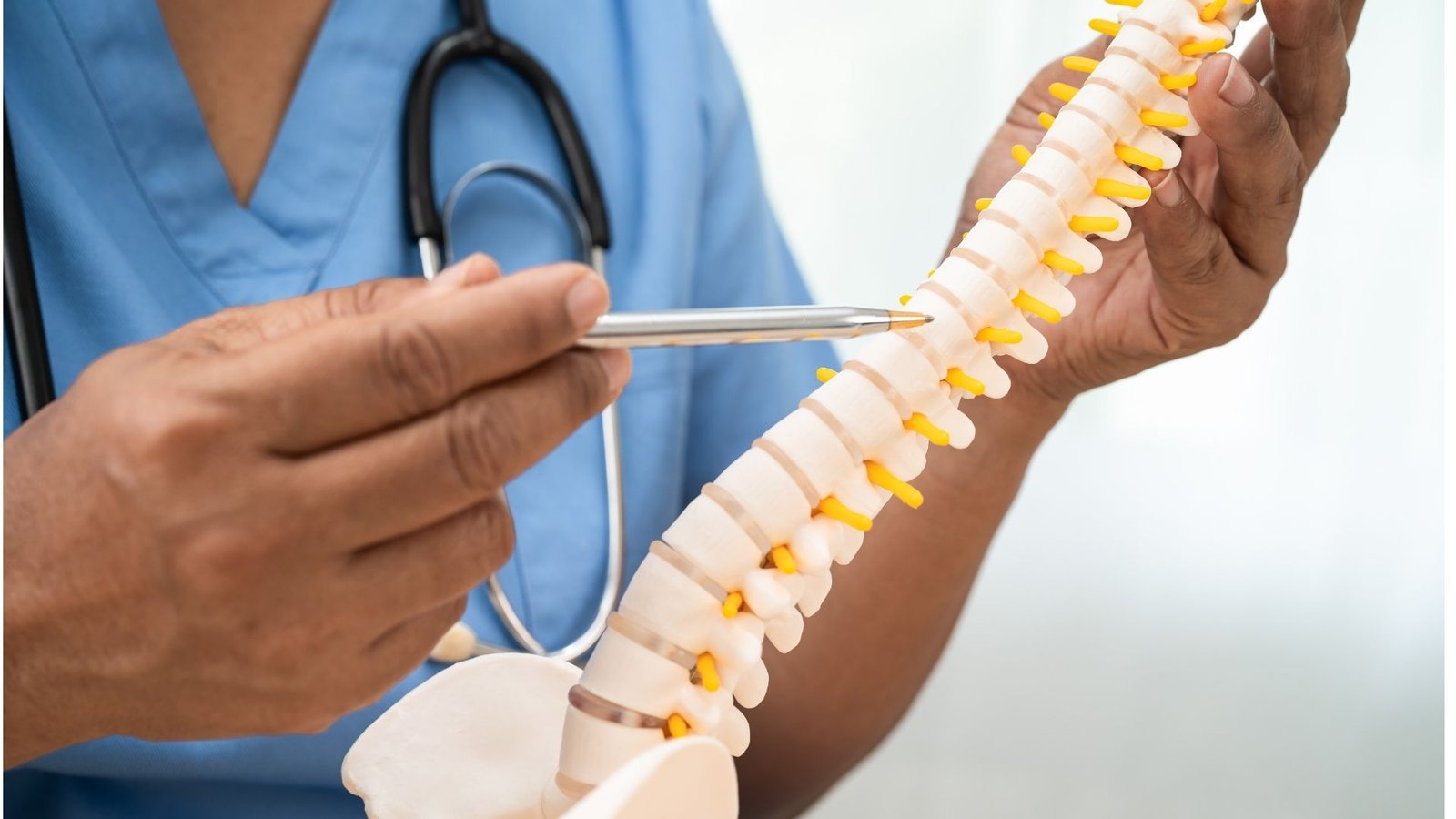
Endo-TLIF (Endoscopic Transforaminal Lumbar Interbody Fusion) is a modern, minimally invasive spine surgery used to treat conditions such as slipped disc, sciatica, vertebral instability, and spinal stenosis when conservative treatment does not provide relief.
Unlike traditional open spine surgery, Endo-TLIF is performed through small incisions using an endoscope, which allows the surgeon to work with high precision while preserving healthy tissues.
The goal of Endo-TLIF is to remove the damaged disc, relieve nerve compression, stabilize the spine, and improve long-term spinal health.
Endo-TLIF is effective for patients with:
It is usually recommended when medicines, physiotherapy, injections, and lifestyle changes do not provide lasting relief.
Traditional fusion surgery requires large incisions and significant muscle dissection.
Endo-TLIF is different:
Usually less than 1–2 cm
Muscles are separated, not cut.
Minimally invasive technique protects normal tissues.
Patients recover faster and need fewer pain medicines.
Most patients walk the same or next day.
High-definition endoscope ensures better visualization.
Fusion helps prevent future nerve compression at the operated level.
A simple step-by-step overview:
Everything is performed through minimally invasive channels without cutting large muscles.
Endo-TLIF combines the benefits of endoscopic surgery (tiny incisions, faster recovery) with the strength of spinal fusion (long-term stability).
Compared to open TLIF:
| Feature | Open TLIF | Endo-TLIF |
|---|---|---|
| Incision | Large | Small (1–2 cm) |
| Tissue damage | More | Minimum |
| Blood loss | Higher | Very low |
| Pain | More | Less |
| Recovery | Slow | Fast |
| Hospital stay | ~4–7 days | 1–2 days |
| Return to work | Late | Early |
Endo-TLIF may be ideal if you have:
A detailed clinical evaluation and MRI help decide suitability.
Most patients begin walking within hours after surgery.
A general recovery timeline:
| Time | Progress |
|---|---|
| Same/Next Day | Walking with support |
| 1–2 weeks | Daily routine activities |
| 4–6 weeks | Light work, driving |
| 3 months | Strengthening exercises |
| 6 months | Heavy activity/sports (after clearance) |
Physiotherapy and guided exercises help regain strength and protect the spine.
Endo-TLIF provides:
It is especially valuable for working individuals and elderly patients who want a quick return to mobility.
Every surgery has risks, but because Endo-TLIF is minimally invasive, the risks are significantly lower than open surgery.
Your surgeon will explain benefits, expected outcomes, and any risks based on your medical condition.
Endo-TLIF is a next-generation, minimally invasive spine fusion surgery designed to treat serious spine problems with less pain, faster recovery and smaller incisions. It relieves nerve compression, stabilizes the spine and helps patients return to a pain-free, active life sooner.