Dr. Rahul Chauhan
Specialist in shoulder, knee, spine endoscopy and ultrasound guided orthopedic procedures.
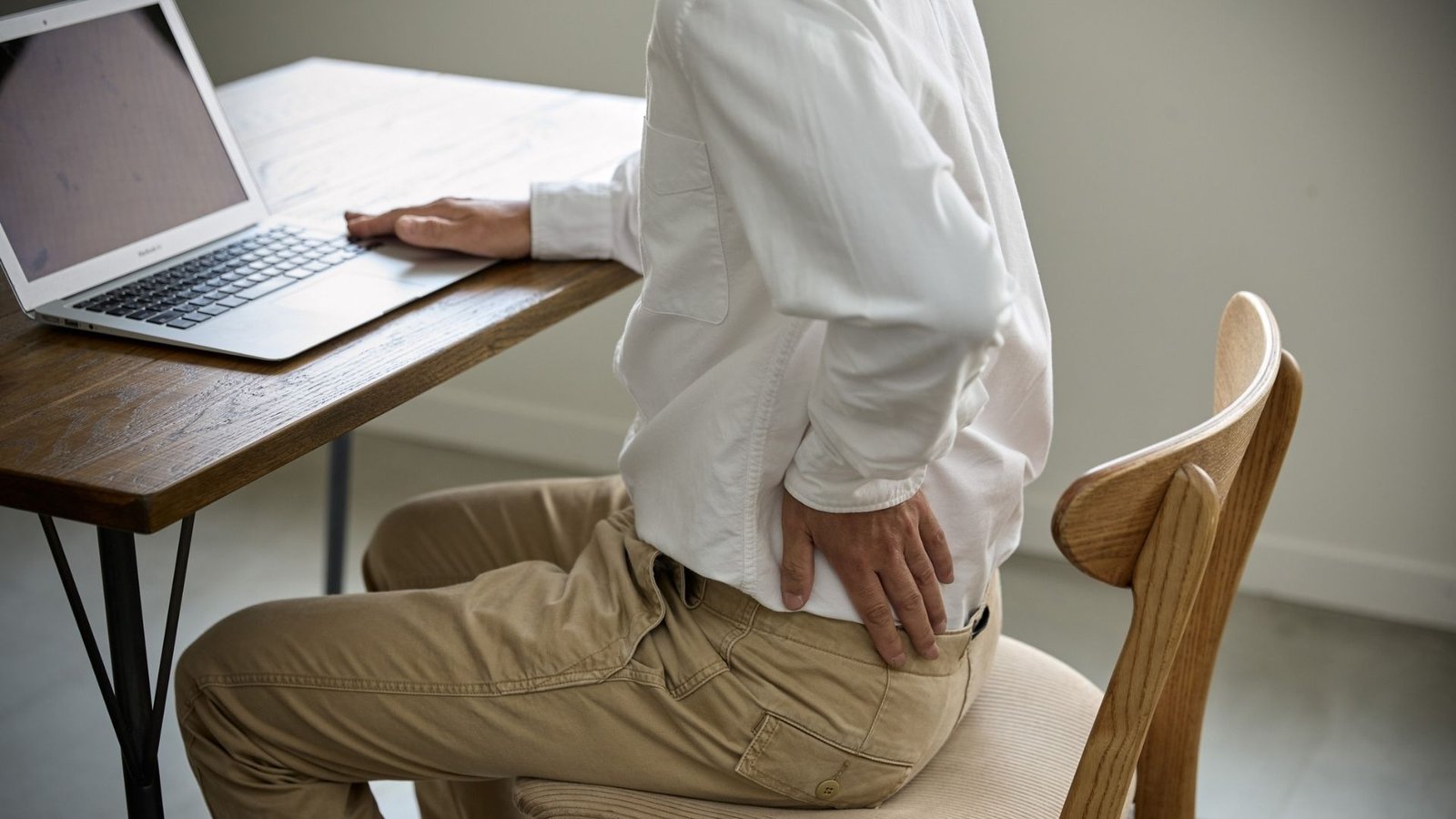
Back pain is one of the most common health problems affecting people of all ages. It can range from a mild dull ache to severe pain that makes sitting, standing or walking difficult.
Most cases improve with proper care, but ignoring back pain can lead to chronic problems, reduced mobility and lifestyle limitations.
Back pain can develop suddenly or gradually. Common causes include:
Less commonly, infections, fractures or tumors can also cause back pain and need urgent evaluation.
People with back pain may experience:
If the pain travels down the leg with numbness or tingling, it may indicate nerve compression.
Seek urgent medical attention if you notice:
These may indicate a serious spinal condition.
Diagnosis often starts with a detailed history and physical examination.
To identify the cause, your doctor may advise:
Early evaluation helps determine the right treatment plan and avoid complications.
Most patients with back pain do not require surgery. Treatment depends on the cause and severity.
First-line treatment usually includes:
Most patients experience significant improvement within a few weeks to months.
If pain persists despite medicines and physiotherapy, injections may be recommended to reduce inflammation and allow further rehabilitation, such as:
These are not a permanent cure but can provide strong relief when planned correctly.
Surgery is considered only when:
Modern techniques — including endoscopic discectomy and minimally invasive spine surgery — allow faster recovery with small incisions when surgery is needed.
Physiotherapy is one of the most important parts of back pain management. It helps:
Regular home exercises after physiotherapy provide long-term protection for the spine.
To keep the back healthy:
Small daily habits go a long way in preventing future episodes.
Most back pain is treatable without surgery. With early diagnosis, guided physiotherapy and simple lifestyle changes, most patients return to normal life without persistent pain.
Surgery is needed only when there is severe nerve compression or symptoms fail to improve with conservative care.