Dr. Rahul Chauhan
Specialist in shoulder, knee, spine endoscopy and ultrasound guided orthopedic procedures.
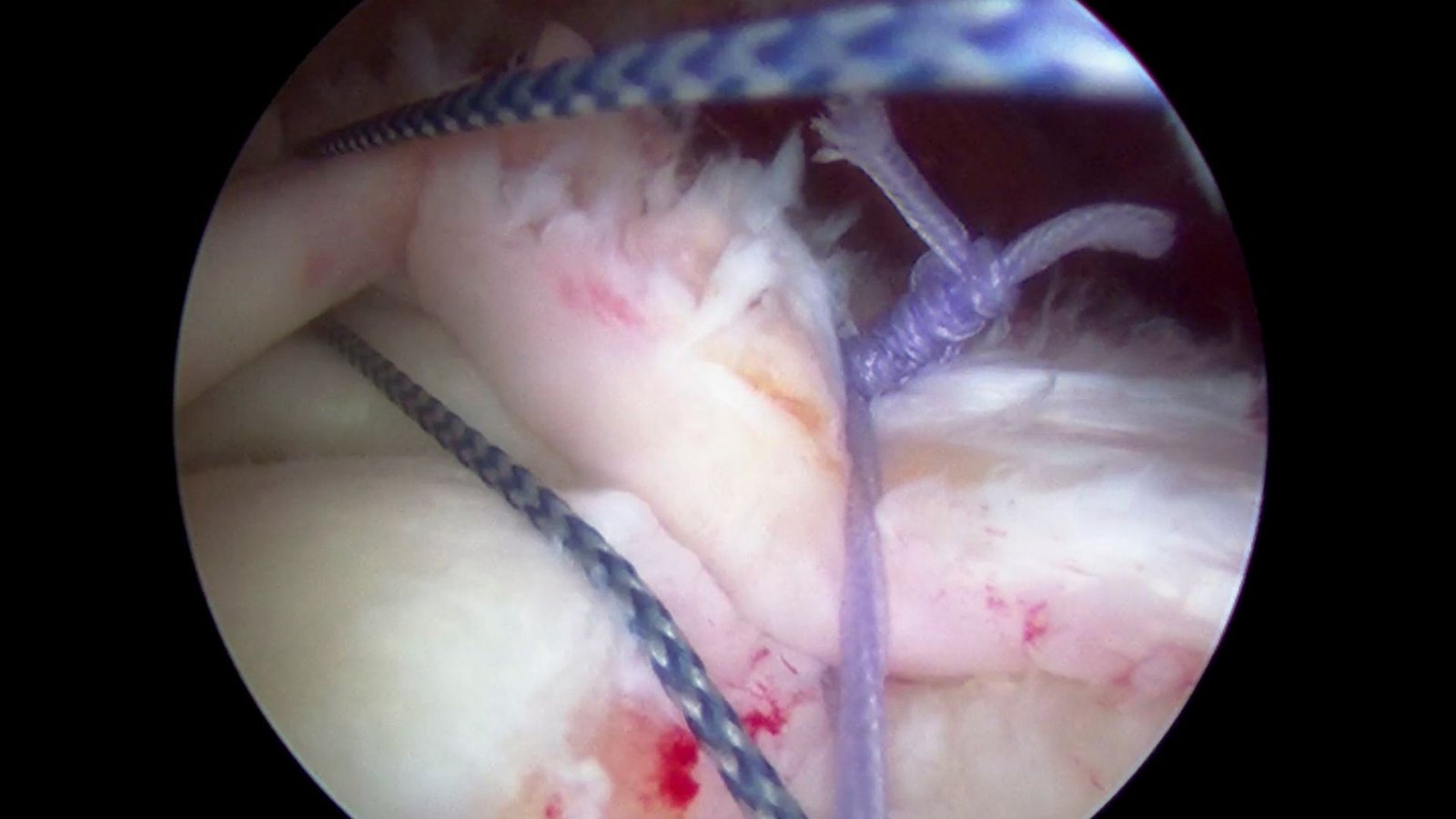
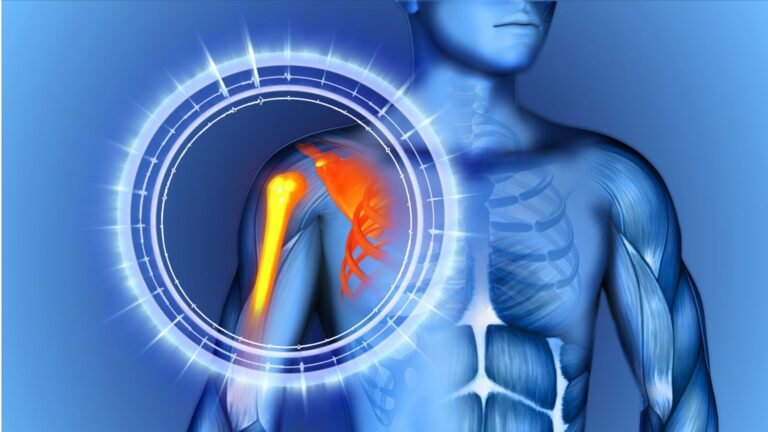
The rotator cuff is a group of tendons that help keep the shoulder stable and allow you to lift and rotate your arm. When one of these tendons tears, it can cause pain, weakness and difficulty doing even simple daily tasks.
If the tendon does not heal properly on its own, arthroscopic rotator cuff repair can help restore strength and function.
Arthroscopic rotator cuff repair is a minimally invasive (keyhole) surgery used to repair a torn rotator cuff tendon. Rather than making a large incision, the surgeon uses a small camera (arthroscope) and fine instruments inserted through tiny cuts around the shoulder.
The torn tendon is gently pulled back to its original position on the bone and secured using anchors and sutures, allowing the tendon to heal naturally over time.
Surgery is usually recommended when:
Small partial tears may respond to physiotherapy alone, but large tears rarely heal without surgery.
A simple step-by-step overview:
Because the muscles are not cut, this method causes less tissue damage and quicker healing compared to traditional open surgery.
Patients often experience:
Tendon healing takes time, so gradual strengthening is crucial.
| Time Frame | Recovery Milestones |
|---|---|
| First 4–6 weeks | Sling support; gentle passive movement |
| 6–12 weeks | Active shoulder movement begins; light strengthening |
| 3–6 months | Strong strengthening; return to most daily activities and work |
| 6–9 months | Return to sports and gym (after surgeon clearance) |
Following physiotherapy regularly is the most important factor for long-term success.
You should consult an orthopedic shoulder specialist if you have:
Early evaluation helps prevent the tear from getting bigger and protects long-term shoulder function.
Arthroscopic rotator cuff repair is a highly effective keyhole surgery for restoring strength, stability and pain-free movement in shoulders with tendon tears. With proper rehabilitation, most patients return to normal activities, work, gym and sports safely and confidently.