Dr. Rahul Chauhan
Specialist in shoulder, knee, spine endoscopy and ultrasound guided orthopedic procedures.
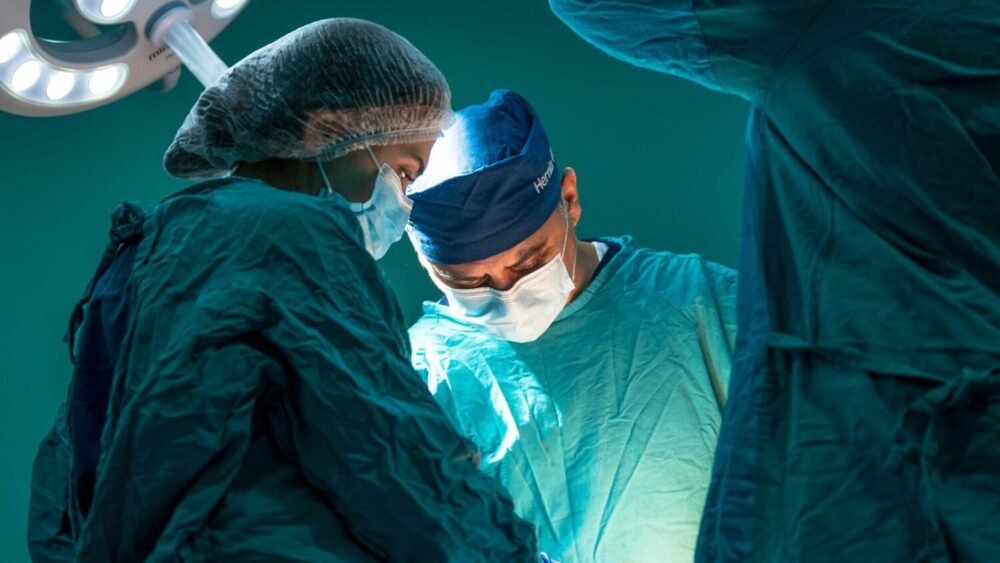
ACL reconstruction is a minimally invasive arthroscopic (keyhole) surgery done to replace a torn Anterior Cruciate Ligament with a new, healthy graft. The operation is performed through very small incisions around the knee, and once healing is complete, the scars are usually so tiny that most people barely notice them.
The goal of ACL reconstruction is to restore knee stability, prevent the “giving-way” sensation and help patients return to daily activities and sports confidently.
The surgery is done under spinal anaesthesia (numbing from the waist down) so the patient remains comfortable throughout.
A simplified step-by-step overview of the surgery:
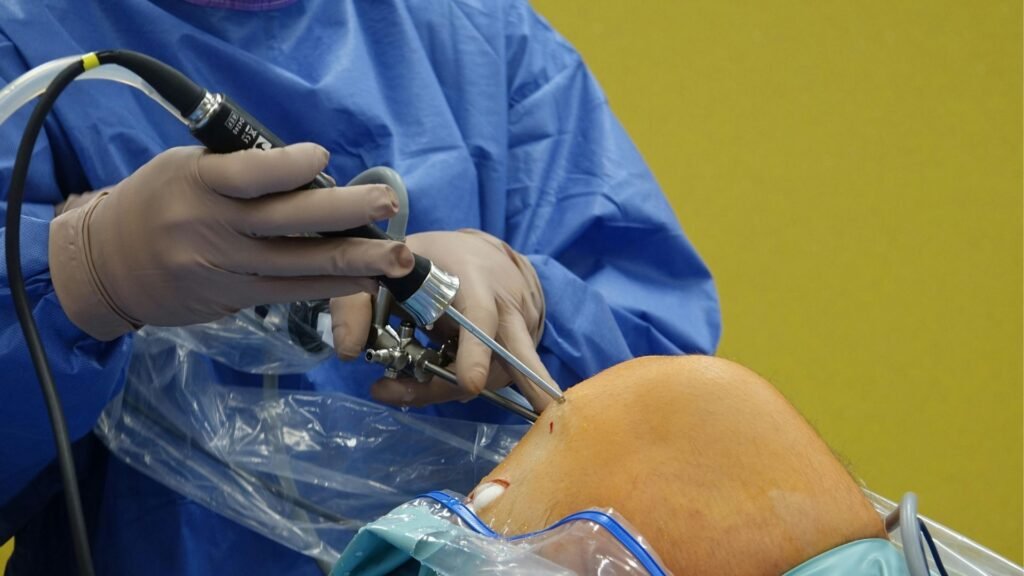
The graft acts as the new ACL, so choosing the right one is important.
Each option has its own advantages, and the selection depends on age, activity level, previous surgeries and knee anatomy.
Recovery after ACL reconstruction is a structured and gradual process. The aim is to regain full range of motion, muscle strength and knee control while protecting the graft during healing.
Typical rehabilitation milestones:
| Time Period | Recovery Milestones |
|---|---|
| Next day | Walking allowed with full weight bearing, with or without brace |
| Few days | Desk job / office work possible |
| Around 6 months | Running and squatting usually allowed |
| After 7 months | Most sports, except contact sports |
| After 8 months | Return to contact sports, depending on physiotherapy progress and surgeon clearance |
Consistent physiotherapy is essential for the best outcomes. The graft gradually transforms into a strong, functional ligament over several months — this natural “ligamentisation” process is why the timeline is structured.
ACL reconstruction not only replaces the torn ligament but also restores knee stability, confidence and long-term joint health. With the right graft choice and dedicated physiotherapy, most patients return to an active lifestyle — including high-demand sports.