Dr. Rahul Chauhan
Specialist in shoulder, knee, spine endoscopy and ultrasound guided orthopedic procedures.
Knee pain due to arthritis or injury can affect your ability to walk, climb stairs, sit cross-legged or stay active in daily life.
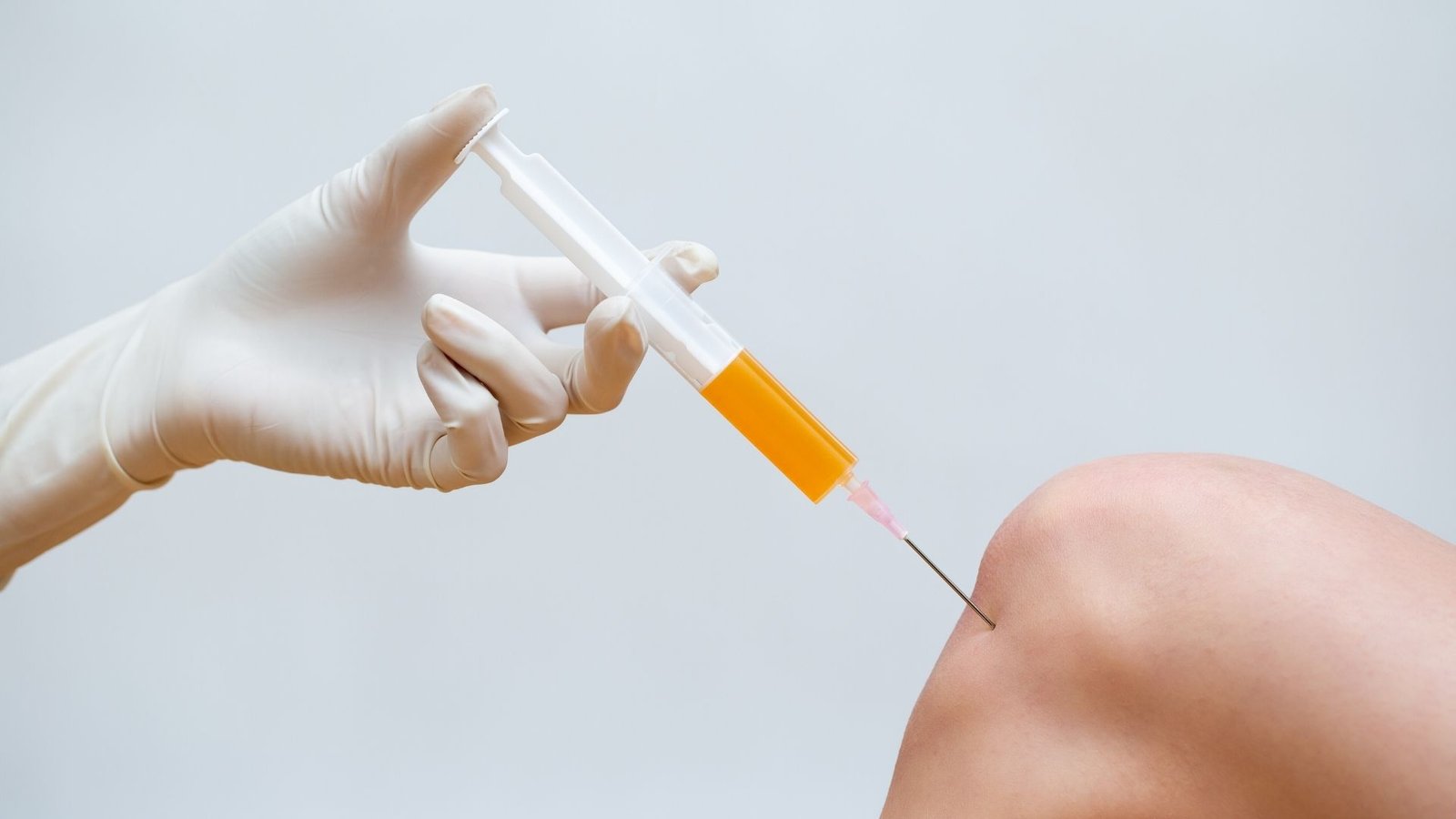
When medicines and basic physiotherapy are not enough, a PRP injection given under ultrasound guidance is a modern treatment option that can help reduce pain, improve joint function and slow degeneration — using the body’s own natural healing process.
PRP stands for Platelet-Rich Plasma, a concentration of platelets taken from your own blood, which contains important healing proteins called growth factors.
In PRP therapy, a small amount of your blood is taken and processed in a centrifuge to separate the platelet-rich layer. This concentrated plasma contains:
These help reduce inflammation, promote tissue healing, and improve lubrication inside the knee.
Because PRP is made from your own blood, it is natural and safe.
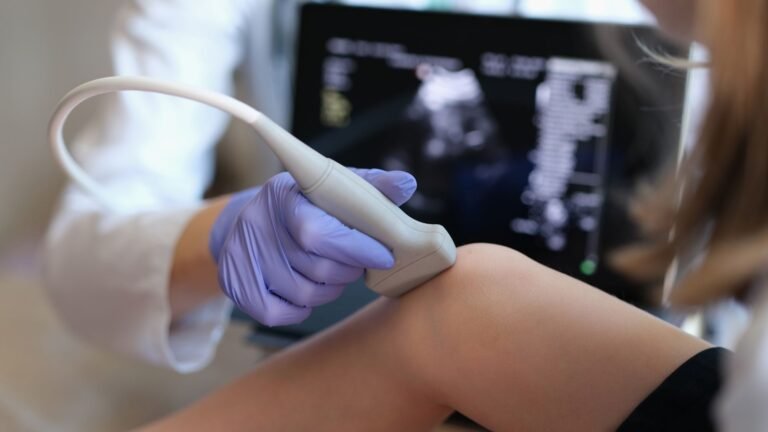
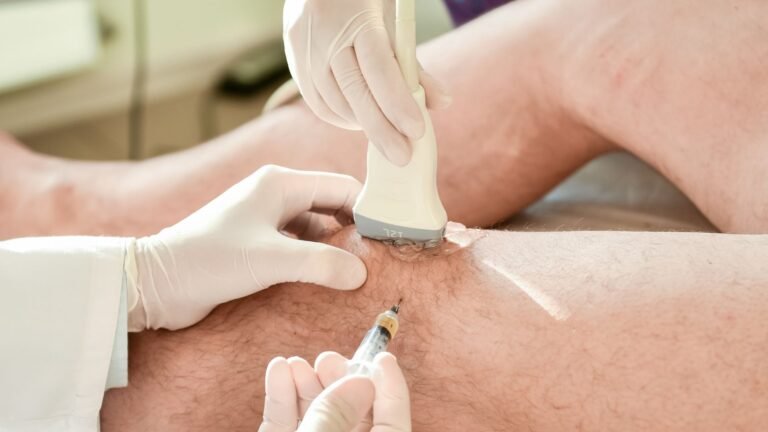
With ultrasound, the doctor can clearly see the joint and needle in real time, ensuring PRP is placed exactly where healing is needed.
Benefits of ultrasound guidance:
We are the only center in Meerut offering dedicated ultrasound-guided orthopedic pain procedures.
PRP is commonly used for:
PRP may help delay or avoid surgery in selected patients.
The procedure takes about 20–30 minutes and is done in the OPD/procedure room.
You can walk out of the clinic soon after the injection.
PRP is not a painkiller — it promotes healing, so effects are gradual but longer-lasting.
Compared to steroid or pain medicines, PRP:
Patients often report better mobility, reduced pain and improved daily function.
PRP injections are considered very safe, because they come from your own body.
Side effects are minimal and usually limited to temporary soreness.
Your doctor will take precautions if you have:
You may benefit if:
After examination and imaging, your doctor will decide if PRP is suitable.
| Feature | PRP | Steroid |
|---|---|---|
| Source | Your own blood | Medicine |
| Effect | Healing, regeneration | Reduce inflammation |
| Duration | Long-term | Short-term |
| Best for | Early arthritis | Painful flare-up |
| Surgery delay | Yes | Limited |
Both may be used in different situations based on patient needs.
Ultrasound-guided PRP injection is a modern, safe and effective treatment for knee arthritis and chronic knee pain.
By using your body’s own healing factors and placing them exactly where they are needed, PRP helps reduce pain, improve mobility and delay the need for surgery — without hospital admission.