Ultrasound-Guided Steroid Injection in the Knee

Knee pain can affect daily activities like walking, climbing stairs, sitting cross-legged or even standing for a long time.
When medicines and basic physiotherapy are not enough, a steroid injection given under ultrasound guidance can help reduce inflammation, control pain and improve knee movement.

This procedure delivers medicine directly to the joint, with high accuracy and safety.

What Is a Steroid Injection?

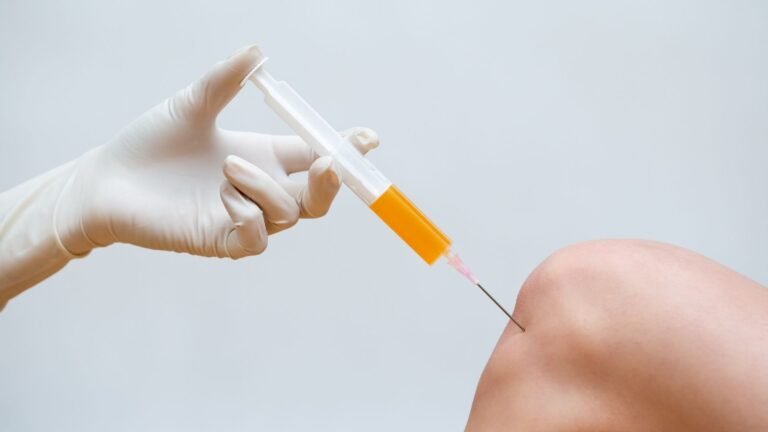
A steroid injection is a targeted dose of anti-inflammatory medicine placed inside the knee joint or near the inflamed tissue.
It helps by:

  • Reducing joint inflammation
  • Relieving pain
  • Increasing flexibility
  • Making physiotherapy easier and more successful

Because the medicine works locally, it often provides better relief than tablets alone.

Why Ultrasound Guidance?

In a blind injection, the needle is inserted based on estimation.
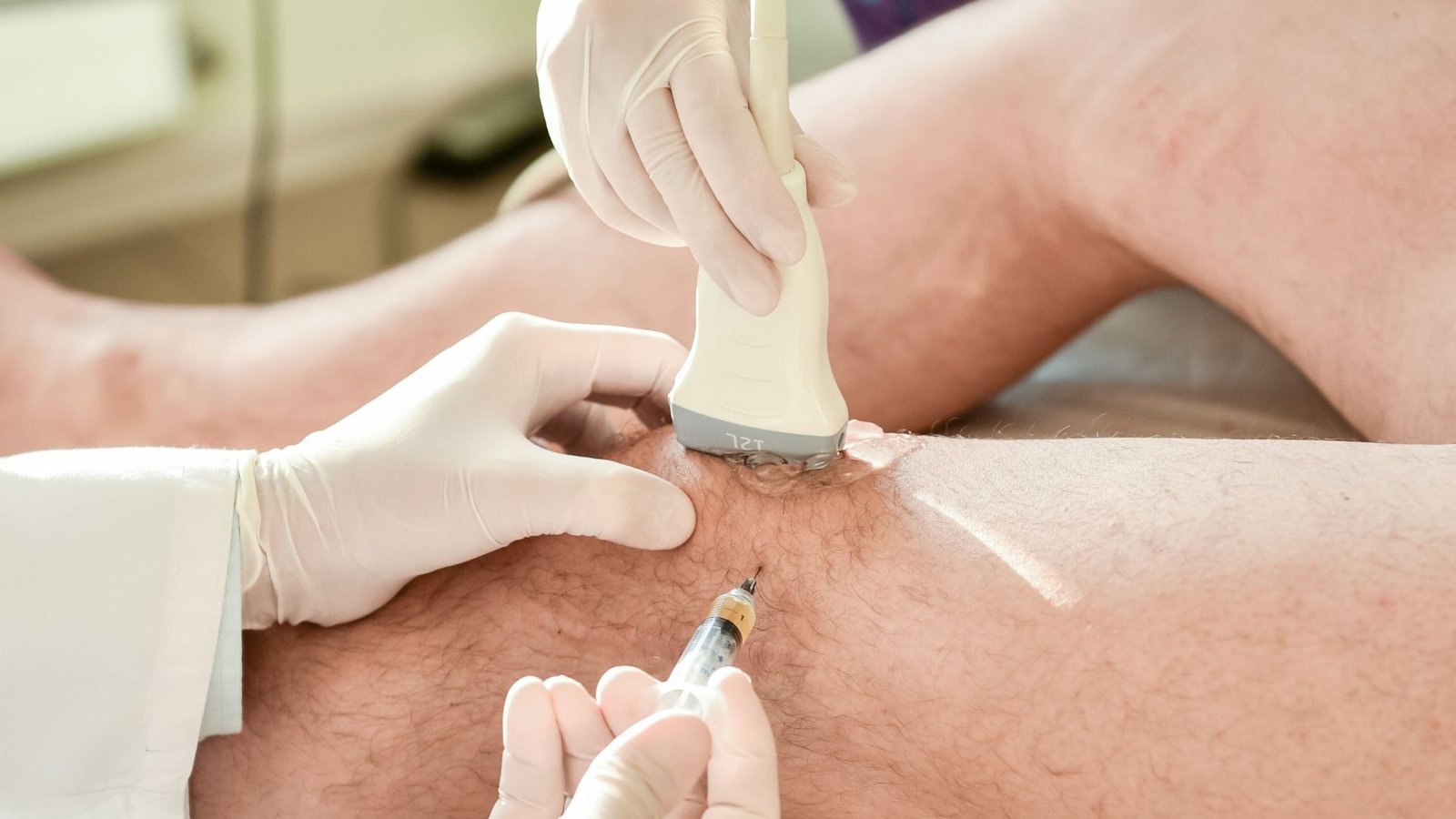
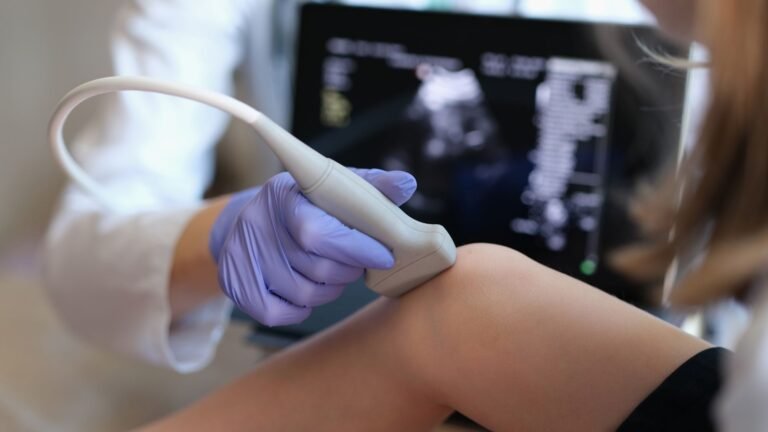
With ultrasound guidance, the doctor can see the joint and needle on screen in real time.

This ensures:

  • Accurate placement of the medicine
  • Better results, especially in stiff or deformed knees
  • Avoidance of nerves and blood vessels
  • More comfort for the patient
  • No radiation exposure
  • Useful in postoperative knees or difficult anatomy

In short, ultrasound guidance makes the injection more precise and effective.

We are the only center in Meerut offering dedicated ultrasound-guided orthopedic pain procedures.

Conditions Treated With Knee Steroid Injection

Knee injections are useful in:

  • Osteoarthritis of the knee
  • Inflammatory arthritis (as advised)
  • Chondromalacia patellae
  • Post-traumatic knee pain
  • Synovitis / joint inflammation
  • Pain after injury in early stages

Steroid injections help reduce inflammation and can delay or avoid surgery in selected patients.

How the Procedure Is Done

The injection is usually done in the OPD / procedure room and takes 10–15 minutes.

  1. The knee is examined and ultrasound is used to find the exact joint space.
  2. Skin is cleaned with antiseptic solution.
  3. A local anesthetic may be given to reduce discomfort.
  4. A fine needle is guided into the joint under ultrasound.
  5. Steroid (sometimes mixed with anesthetic) is injected precisely.
  6. A small dressing is applied – no stitches needed.

You can walk out of the clinic shortly after the procedure.

What to Expect After the Injection

  • Mild discomfort for 24–48 hours is common.
  • Pain relief usually starts within 2–7 days.
  • Maximum benefit is seen in 2–3 weeks.
  • Avoid heavy activities like squatting, running or long walks for a few days.
  • Physiotherapy helps maintain flexibility and strengthen muscles.

Benefits of Ultrasound-Guided Knee Injection

Compared to blind injections:

  • Higher accuracy
  • Better pain relief
  • Safer (avoids important structures)
  • No radiation
  • Useful in obese or stiff knees
  • Better for previously operated knees
  • Quick OPD procedure

It also allows diagnostic clarity, because ultrasound helps confirm inflammation and track fluid.

Is It Safe?

Steroid injections are generally very safe when used correctly.

Precautions are taken if you:

  • Have diabetes
  • Have a bleeding disorder
  • Take anticoagulant medicines
  • Have an active infection
  • Have had recent intra-articular procedures

Your doctor will advise based on your medical history.

Who Is a Good Candidate?

You may benefit from the injection if:

  • Knee pain is lasting more than a few weeks
  • Pain interferes with walking and routine work
  • Medicines and basic exercises are not helping enough
  • X-ray shows early or moderate arthritis
  • There is swelling and tenderness in the knee

The injection often helps reduce pain so that physiotherapy becomes possible.

Key Takeaway

Ultrasound-guided steroid injection is a simple, safe and effective treatment for many types of knee pain, especially knee osteoarthritis and inflammatory conditions.
By placing medicine exactly where it is needed, it reduces pain, improves mobility and supports faster recovery — all without the need for hospital admission.
Leave a Reply

Your email address will not be published. Required fields are marked *