Dr. Rahul Chauhan
Sports Injury Specialist | Endoscopic Spine Surgeon | Ultrasound-Guided Orthopaedic Procedures
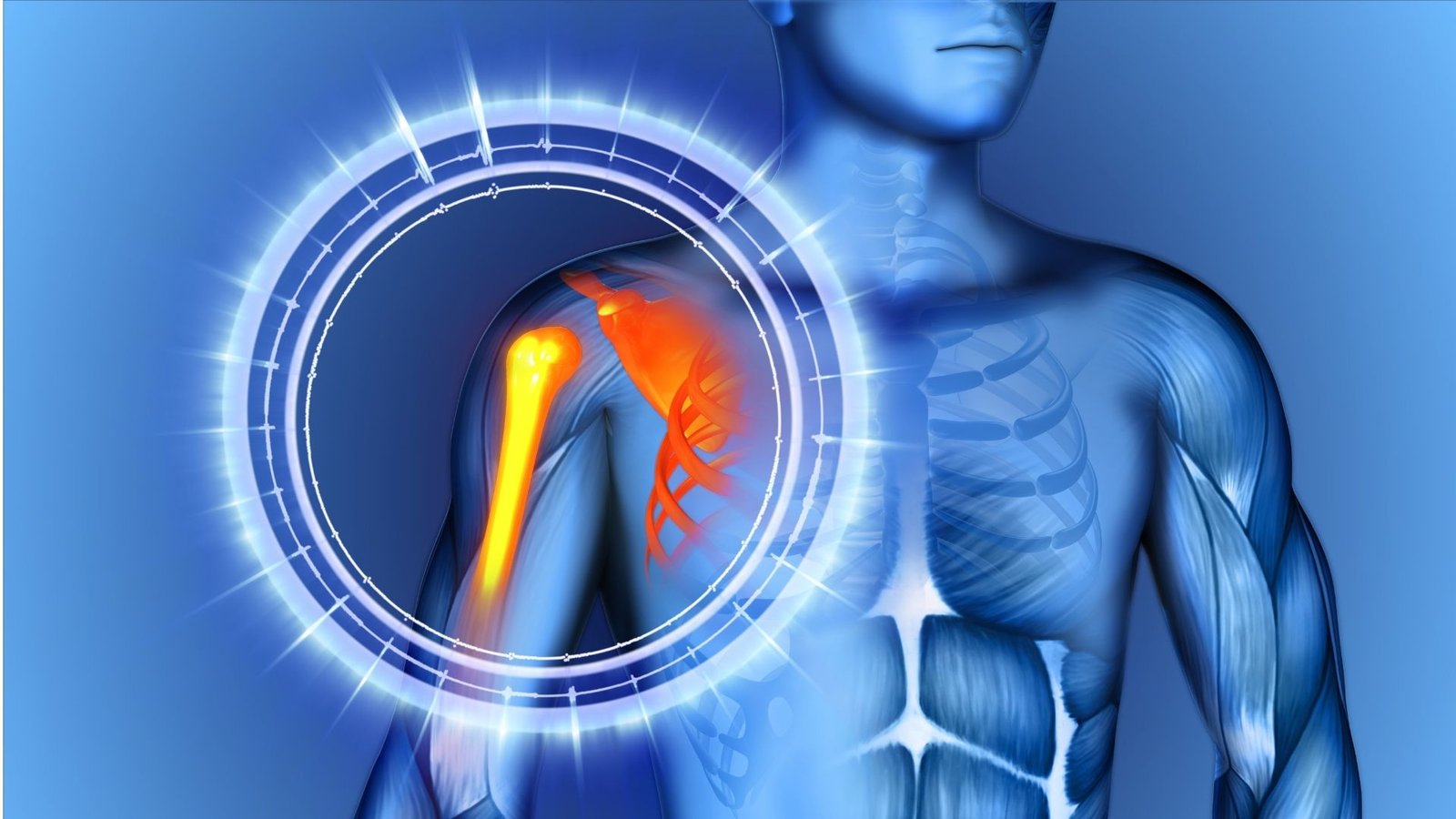
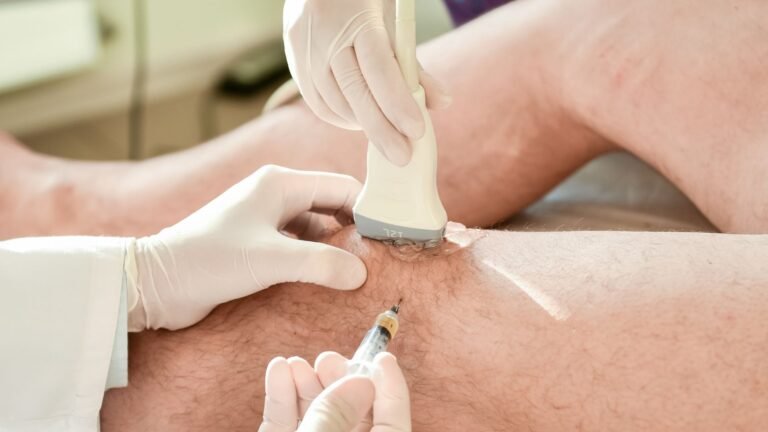
Ultrasound-guided hydrodilatation is a safe, minimally invasive procedure used to treat Frozen Shoulder (Adhesive Capsulitis). It involves gently stretching and expanding the tight shoulder capsule by injecting a sterile fluid mixture under real-time ultrasound guidance.
This helps reduce pain, improve shoulder movement and speed up recovery.
Hydrodilatation is especially beneficial for patients who are struggling with stiffness and pain, even after medicines and physiotherapy.
In frozen shoulder, the capsule around the shoulder joint becomes inflamed, thick and tight, restricting movement.
Hydrodilatation uses:
…to dilate (expand) the contracted capsule from inside.
As the capsule stretches, the joint has more space to move, leading to:
The procedure targets the root cause — the tight capsule — rather than only masking symptoms.
The success of hydrodilatation depends on the injection reaching the correct part of the shoulder joint.
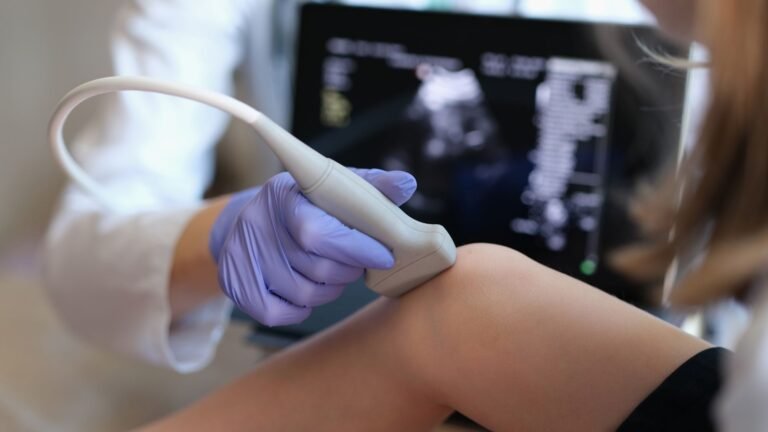
With ultrasound guidance, the doctor can:
This makes the treatment much more accurate and effective than blind injections.
We are the only center in Meerut offering dedicated ultrasound-guided orthopedic pain procedures.
Hydrodilatation is most commonly used for:
It may also be useful in:
Your doctor will examine you and decide if this procedure is suitable.
The procedure is OPD-based and takes about 10–20 minutes.
No stitches are required, and you can go home soon after the procedure.
Most patients tolerate the procedure very well.
To get the best results:
Hydrodilatation creates a window of opportunity where stiffness reduces — using this time for physiotherapy gives excellent results.
Compared to routine injections or pain medicines, hydrodilatation offers:
Many patients are able to avoid surgical release when hydrodilatation is combined with proper rehabilitation.
When done under ultrasound guidance by a trained specialist, hydrodilatation is very safe.
Precautions are taken if the patient has:
Your doctor will discuss risks and benefits before the procedure.
You may benefit from hydrodilatation if:
Early intervention often gives faster recovery.
Ultrasound-guided hydrodilatation is a highly effective, non-surgical treatment for Frozen Shoulder.
By gently expanding the tight capsule from inside, it helps: