Ultrasound-Guided PRP Injection for Shoulder Pain
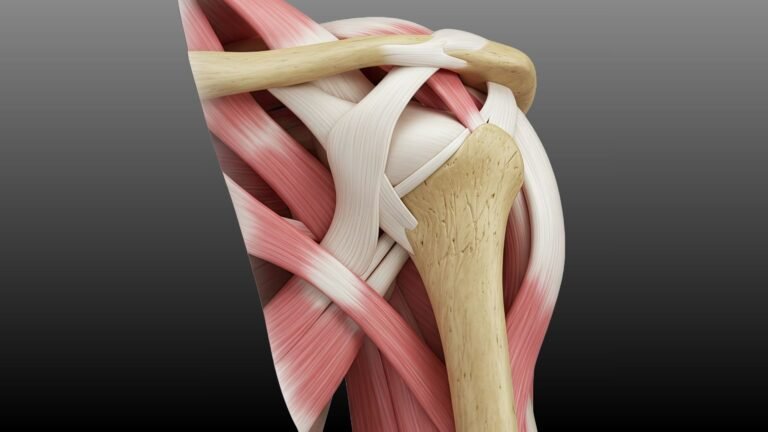
Platelet-Rich Plasma (PRP) therapy is an advanced treatment used to reduce pain and promote healing in various shoulder conditions. When PRP is injected under ultrasound guidance, the treatment becomes more accurate, safer and far more effective.
PRP uses the patient’s own blood, which is processed to concentrate platelets. These platelets contain natural growth factors that help repair damaged tissues.
What Shoulder Conditions Can PRP Help With?
Ultrasound-guided PRP injections are commonly used for:
- Rotator cuff tendinitis/tendinopathy or partial tears
- Shoulder impingement
- Biceps tendinitis/tendinopathy
- Chronic shoulder pain not responding to medicines or physiotherapy
PRP is especially useful for patients who want a biological, non-surgical treatment option.
Why Use Ultrasound Guidance?
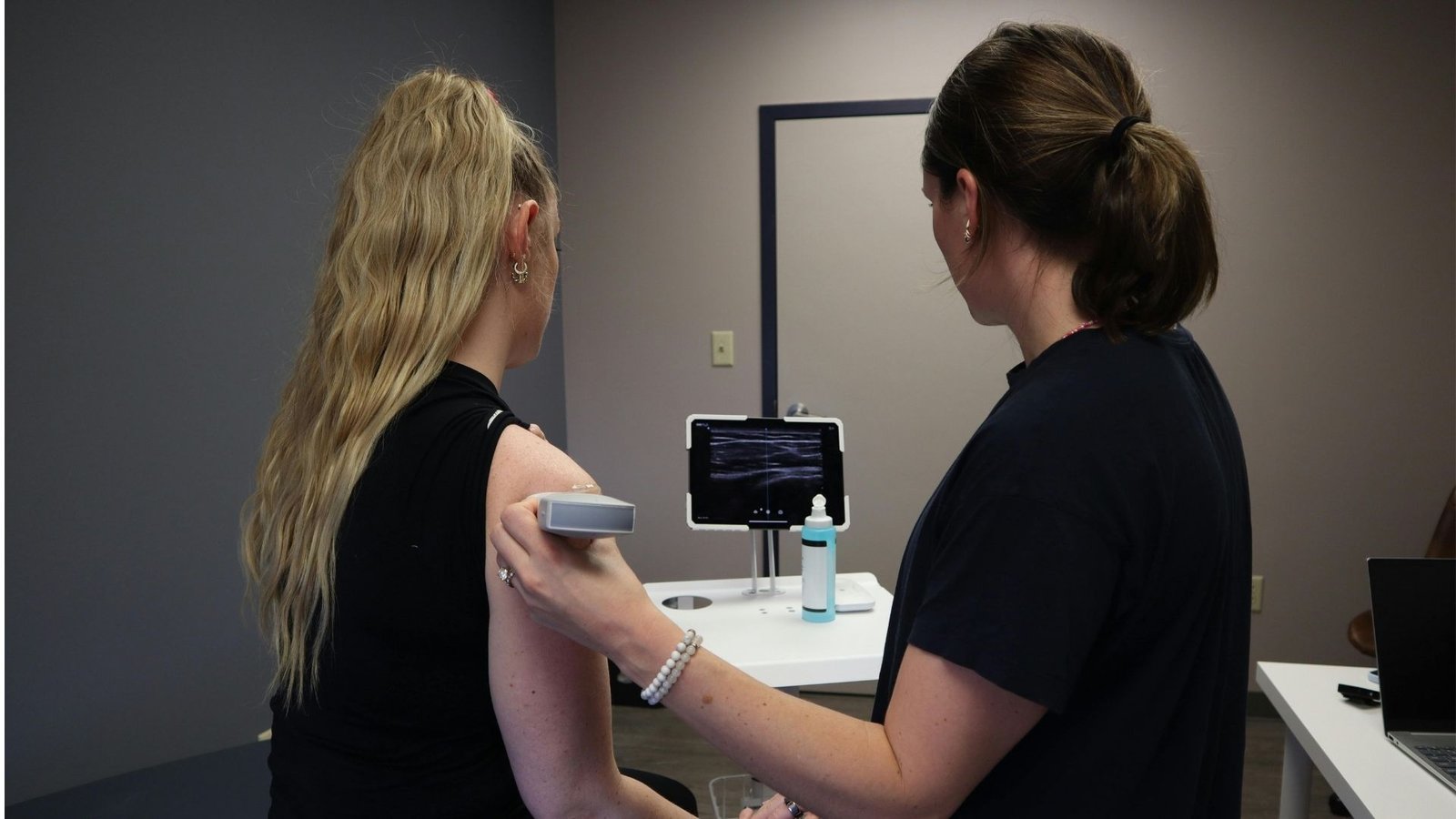
Injecting the shoulder without imaging can miss the exact problem area. With ultrasound, the doctor can see the tendon, joint and needle in real time.
Benefits of ultrasound guidance:
- Precise placement of PRP exactly where healing is needed
- Higher success rate compared to blind injections
- Avoids accidental injury to nearby nerves or vessels
- Better outcomes in rotator cuff injuries
- Improved patient comfort and confidence
This ensures the PRP is delivered to the target tissue, not just the general shoulder area.
How the Procedure Is Done?
- A small amount of your blood is drawn.
- The blood is processed in a centrifuge to create PRP.
- The shoulder is examined with ultrasound to identify the exact problem area.
- The skin is cleaned and numbed.
- PRP is injected under ultrasound guidance directly into the tendon or joint.
- A simple dressing is applied.
The entire process usually takes 20–30 minutes, and patients go home the same day.
What to Expect After the Injection?
- Mild soreness for 1–3 days is normal and expected.
- Ice packs may be used for comfort.
- Avoid heavy lifting or overhead activities for a short period.
- Physiotherapy is often started after a few days to improve strength and mobility.
- Improvement typically begins in 2–6 weeks and continues for several months as healing progresses.
Because it stimulates natural repair, its effects are gradual but long-lasting.
Advantages of PRP for the Shoulder
- Uses your own blood — no artificial chemicals
- Helps heal the tissue instead of only reducing pain
- Reduces dependency on pain medicines
- Can delay or avoid surgery in selected patients
- Can be repeated if needed
Who Is a Good Candidate for PRP?
It may be ideal for:
- Patients with chronic shoulder pain
- Those who want to avoid steroid overuse
- Athletes or active individuals looking for natural healing
- Patients with early or moderate rotator cuff damage
- Those not responding fully to physiotherapy
Your doctor will examine your shoulder, review imaging and decide if it is suitable.
Key Takeaway
Ultrasound-guided PRP injection is a safe, precise and effective treatment for many shoulder problems. By delivering your body’s natural healing factors directly to the injured tissue, it helps reduce pain, improve function and promote long-term recovery — without surgery.