Dr. Rahul Chauhan
Specialist in shoulder, knee, spine endoscopy and ultrasound guided orthopedic procedures.
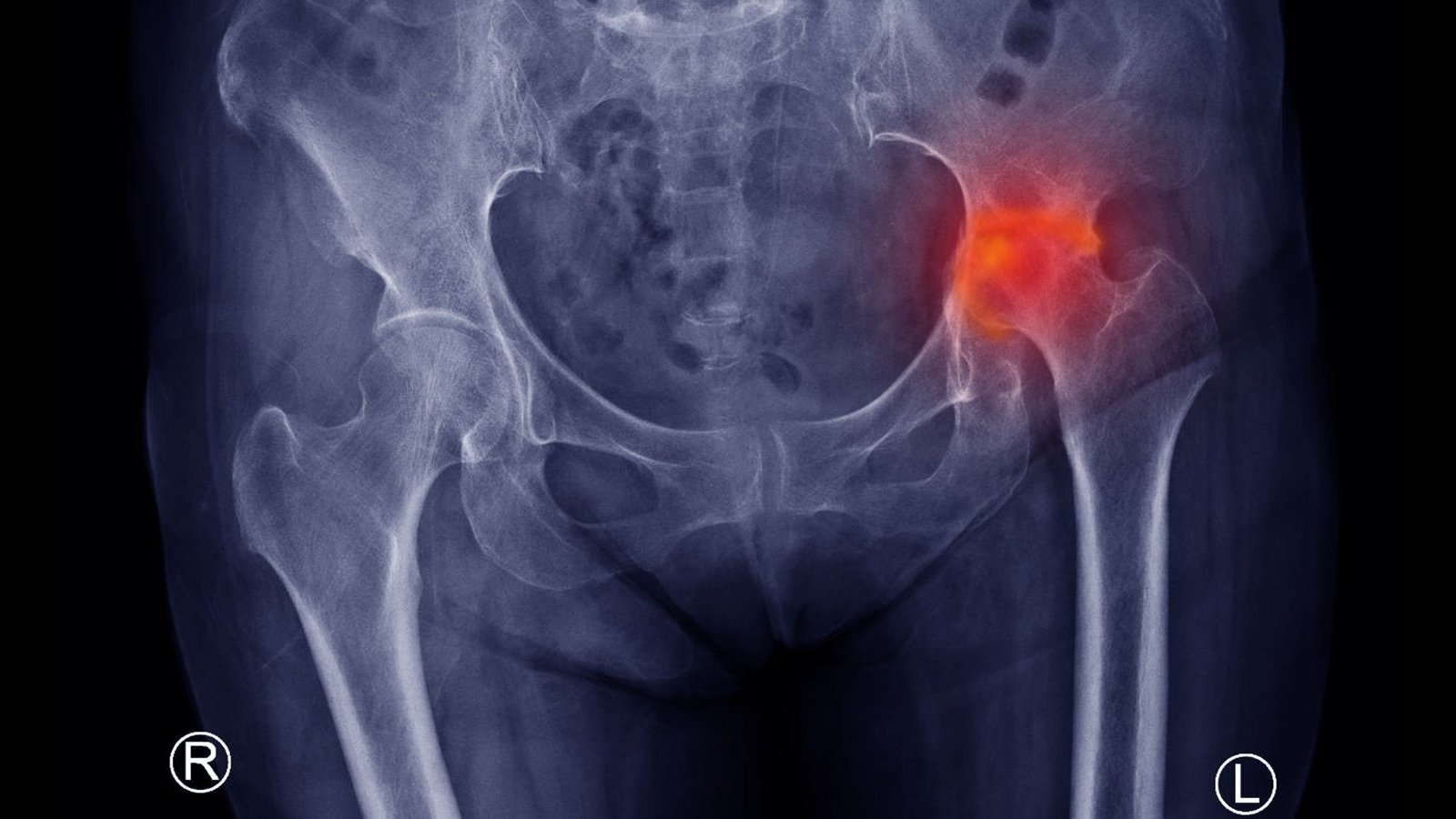
Avascular Necrosis (AVN) of the hip — also called osteonecrosis — is a condition where the blood supply to the head of the femur (ball of the hip joint) gradually reduces. Without enough blood flow, the bone becomes weak, starts to collapse, and the smooth joint surface gets damaged.
If not treated early, AVN can lead to early arthritis, severe pain and difficulty walking.
AVN develops when the blood flow to the hip bone is interrupted. Common causes include:
One of the most common reasons.
Heavy alcohol intake weakens bone cells and blood vessels.
A hip fracture or dislocation can directly damage the blood supply.
Many young and healthy individuals develop AVN without any identifiable cause.
AVN is most commonly seen in people between 20–50 years of age.
Early AVN may not cause noticeable symptoms. As the disease progresses, patients may experience:
If the bone collapses, the pain becomes more constant and severe.
Diagnosis usually includes:
Evaluation of pain location, movement restriction and walking pattern.
Shows changes in bone shape and joint surface, especially in later stages.
The most sensitive test. It detects AVN very early, even before changes appear on X-ray.
Early diagnosis is important to preserve the hip joint and delay or avoid joint replacement.
AVN is classified into stages:
Treatment decisions depend heavily on the stage at diagnosis.
These methods aim to slow the disease but cannot reverse AVN:
Non-surgical options are most effective before bone collapse.
A minimally invasive surgery where a channel is created inside the femoral head to:
Sometimes bone grafts or biologic materials (stem cells/PRP) are added to improve healing.
This procedure is ideal when the femoral head is still intact.
For selected patients:
These procedures aim to save the natural hip joint and delay arthritis.
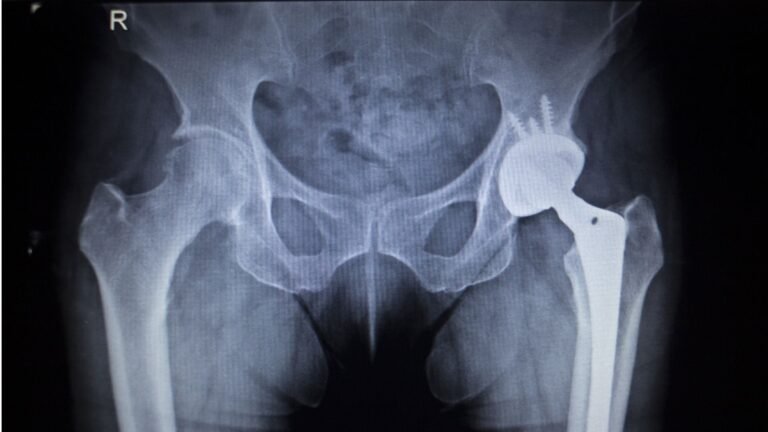
When the femoral head collapses or arthritis has developed, hip replacement becomes the best option.
The damaged ball and socket are replaced with artificial components, giving:
Modern techniques such as the Direct Anterior Approach allow faster recovery with minimal muscle damage.
For patients diagnosed with AVN:
Early lifestyle adjustments can significantly slow disease progression.
Avascular Necrosis of the hip is a progressive condition, but early diagnosis and timely treatment can preserve the hip joint and delay the need for replacement.
Advanced AVN responds very well to hip replacement surgery, offering long-term pain relief and excellent function.