Dr. Rahul Chauhan
Sports Injury Specialist | Endoscopic Spine Surgeon | Ultrasound-Guided Orthopaedic Procedures
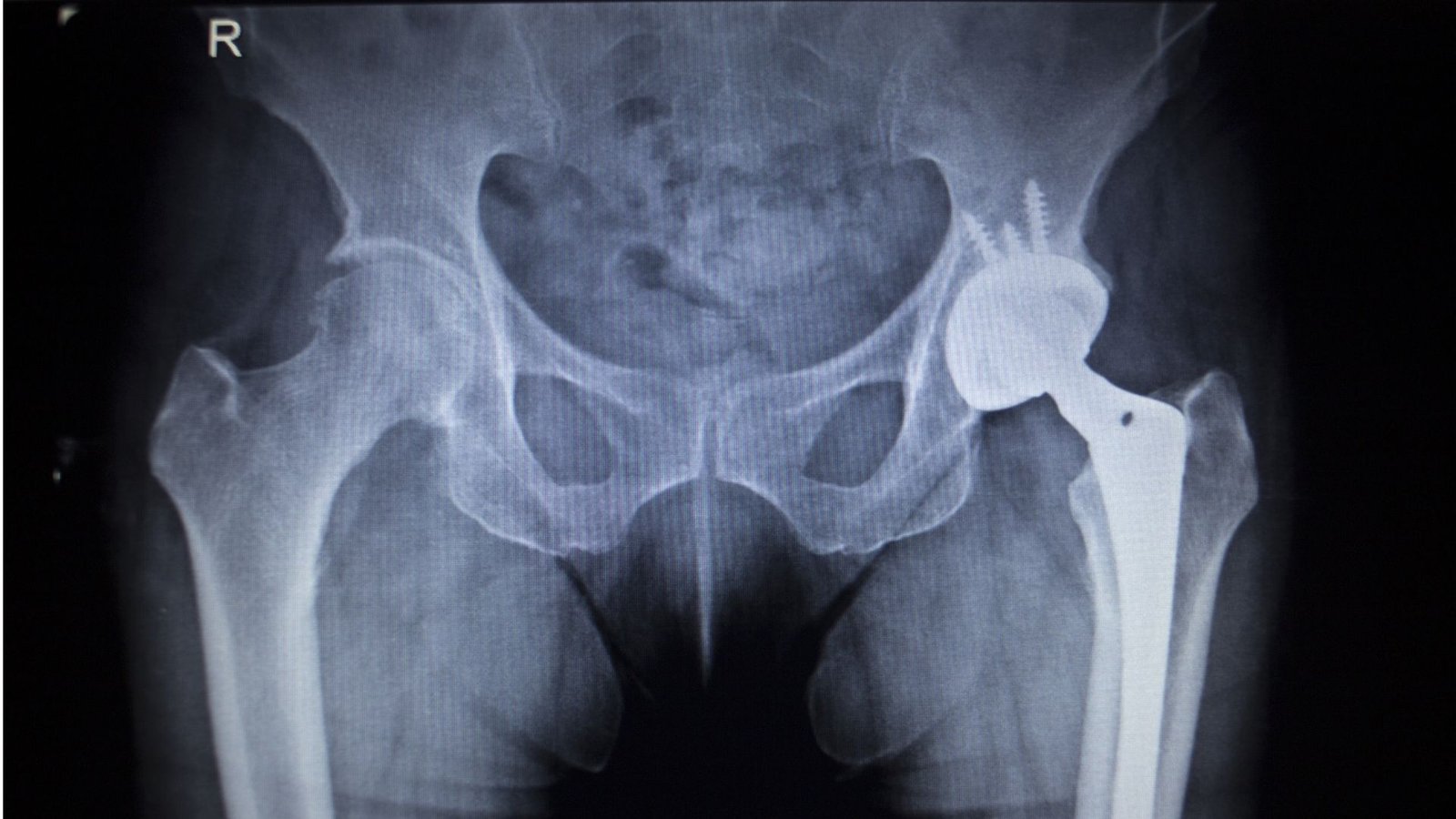
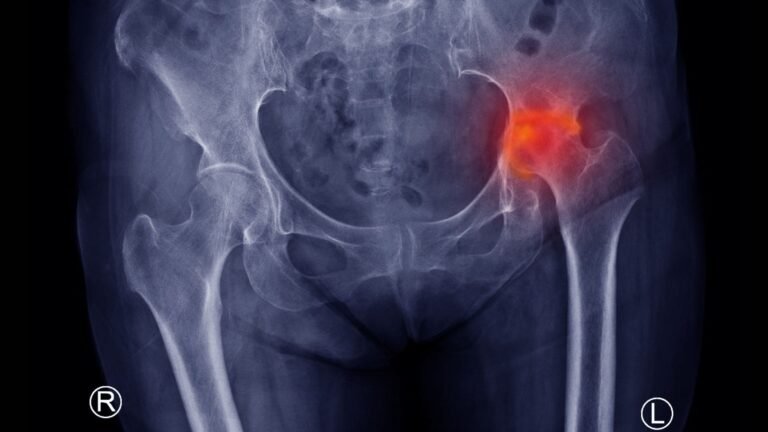
Hip replacement is one of the most successful orthopedic surgeries for treating severe hip arthritis or avascular necrosis of hip (AVN). Among the different surgical techniques, the Direct Anterior Approach (DAA) has gained popularity because it is muscle-sparing, allows faster recovery, and often provides a more natural feeling hip soon after surgery.
The anterior approach is performed from the front of the hip, allowing the surgeon to reach the joint without cutting major muscles or tendons.
In the direct anterior approach, the hip joint is accessed through a natural interval between two muscles.
This technique avoids cutting important muscles needed for walking, balance and stability.
This difference is what allows patients to recover earlier and feel more stable soon after surgery.
The anterior approach may be ideal for patients who:
Your surgeon will assess hip anatomy, bone quality and overall health to decide whether this technique is suitable for you.
Patients often choose this approach due to its unique benefits:
No major muscles are cut, leading to less pain and quicker movement after surgery.
Most patients walk on the same day or next day because the hip maintains better stability.
Since important muscles remain intact, the chance of the hip popping out (dislocation) is significantly reduced.
The incision is placed on the front of the hip, which is easier to conceal.
Patients often feel more confident returning to everyday activities.
The entire procedure is done with great precision using fluoroscopy or computer-guided assistance when necessary.
We are proud to be one of the very few centres in Meerut offering the facility of small-incision Direct Anterior Hip Replacement.
This advanced technique allows us to access the hip joint through a natural muscle plane, using a shorter incision while preserving the surrounding muscles and soft tissues.
What this means for patients:
Our specialised training and experience in this technique make modern, minimally invasive hip replacement accessible to patients in Meerut and nearby regions.
Most patients are up and walking within 24 hours.
| Time | Progress |
|---|---|
| 1 day | Walking with support |
| 1–2 weeks | Return to light daily activities |
| 4–6 weeks | Improved strength and mobility |
| 8–12 weeks | Driving, longer walks, low-impact exercise |
| 3–6 months | Return to full activity (gym, cycles, moderate sports) |
Patients often appreciate that there are fewer movement restrictions compared to traditional hip replacement techniques.
Direct anterior approach hip replacement has excellent long-term results when performed by trained surgeons.
Benefits include:
With proper physiotherapy and healthy habits, most patients enjoy a pain-free, stable and active hip for many years.
The Direct Anterior Approach is a modern, minimally invasive method for hip replacement that prioritizes muscle preservation, faster recovery and better stability.
It allows patients to walk earlier, experience less pain and return to an active lifestyle sooner than traditional methods.