Dr. Rahul Chauhan
Specialist in shoulder, knee, spine endoscopy and ultrasound guided orthopedic procedures.
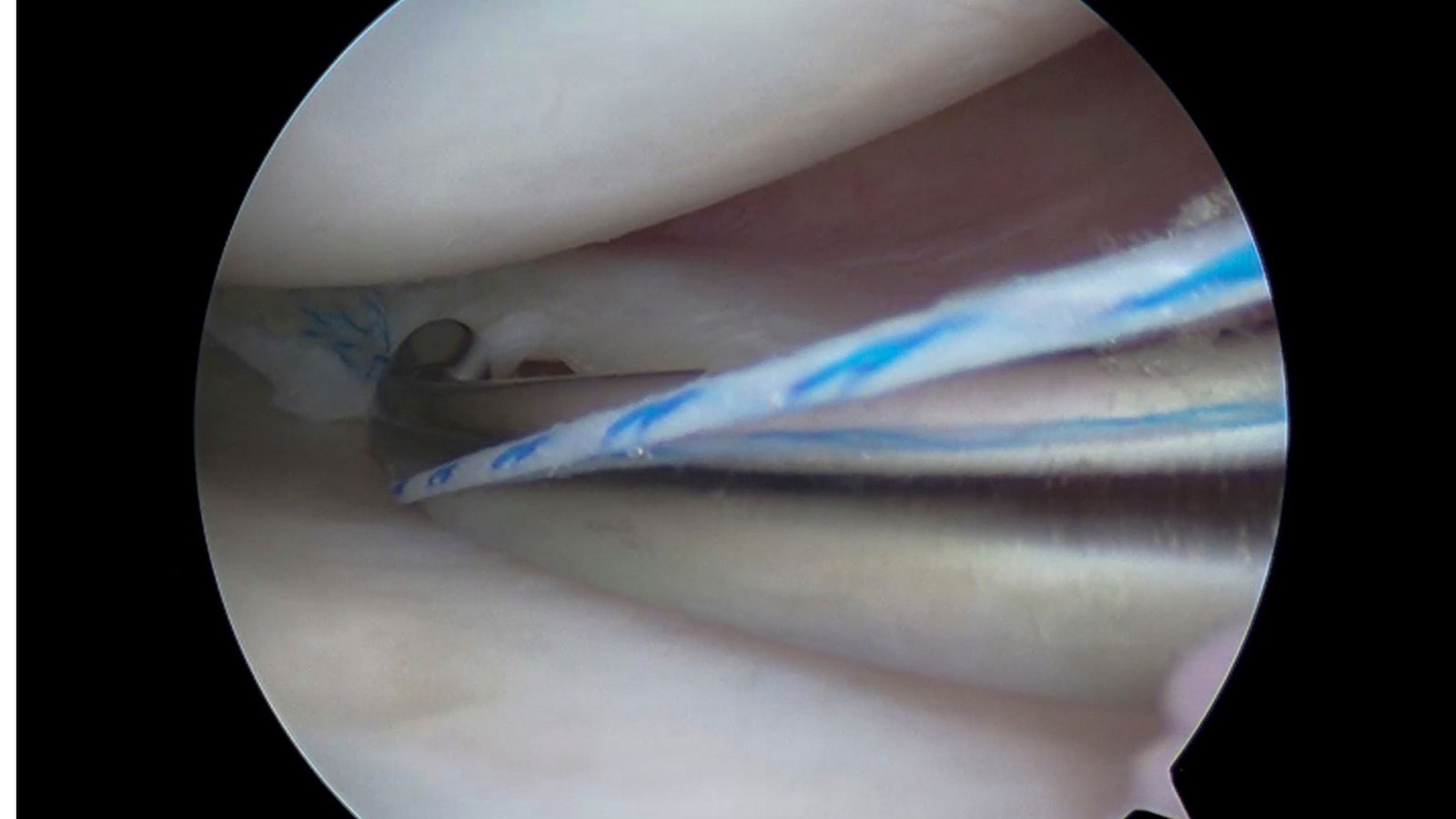
The meniscus is a C-shaped cartilage inside the knee that acts as a shock absorber and stabilizer. When it tears due to twisting, sports injury, accident or age-related degeneration, it can cause pain, swelling and difficulty bending the knee. In many patients, the best way to restore normal knee function is through arthroscopic meniscus repair.
Arthroscopic meniscus repair is a minimally invasive, keyhole surgery used to fix a torn meniscus. Instead of making a large incision, the surgeon inserts a thin camera (arthroscope) and specialized instruments through small openings in the knee.
The torn edges of the meniscus are stitched back together to allow the cartilage to heal naturally, preserving the maximum amount of tissue.
This procedure is usually recommended when:
Meniscus repair is preferred over removal because saving the meniscus protects the knee from future arthritis.
Most patients go home the same or next day.
Healing takes time because the meniscus is cartilage. Proper rehabilitation ensures a strong repair.
Typical recovery roadmap:
| Stage | What to Expect |
|---|---|
| First 2–6 weeks | Knee brace, restricted weight bearing, guided physiotherapy |
| 6–12 weeks | Increased walking and muscle strengthening |
| 3–6 months | Return to daily activities, light sports training |
| 6–9 months | Return to full sports based on surgeon clearance |
Rehab is extremely important — skipping it can delay recovery.
Not all meniscus tears are repairable. In some cases, the surgeon may recommend:
The choice depends on the location and pattern of the tear, age, activity level and overall knee condition. We at our center treat most of the meniscus tears conservatively and repair the rest. Meniscectomy is an exception at our center.
Arthroscopic meniscus repair is an effective and tissue-preserving treatment for meniscus tears. When performed at the right time and followed by proper rehabilitation, it allows patients to return to active living and even competitive sports with long-term knee protection.