Dr. Rahul Chauhan
Sports Injury Specialist | Endoscopic Spine Surgeon | Ultrasound-Guided Orthopaedic Procedures
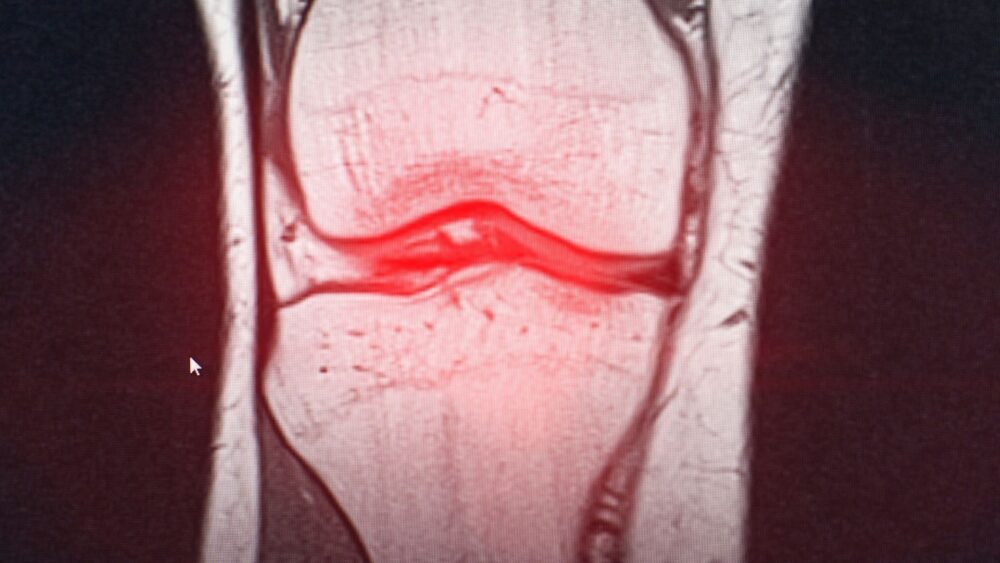
The meniscus is a C-shaped piece of cartilage inside the knee that works like a cushion between the thigh bone (femur) and shin bone (tibia). Each knee has two menisci — the medial meniscus (inside) and the lateral meniscus (outside). They absorb shock, protect the joint surface and help keep the knee stable.
A meniscus injury happens when this cartilage tears due to twisting, sudden turning or deep squatting. It can occur in athletes as well as in day-to-day life.
A meniscus tear most often happens when the knee twists while the foot is firmly planted. Common situations include:
Younger individuals typically get meniscus injuries due to sports, while older adults may experience tears during normal daily activities.
Not everyone experiences symptoms immediately after the tear. Typical complaints include:
A torn meniscus can sometimes mimic ligament injuries, so proper evaluation is essential.
A meniscus tear is diagnosed based on:
An X-ray may be taken to rule out bone injury or arthritis.
Treatment depends on the age of the patient, activity level, type of tear and symptoms.
Suitable for small tears or mild symptoms:
When the tear causes pain, locking or persistent swelling, surgery may be needed. Meniscus surgery is done through keyhole (arthroscopic) procedure and involves:
Surgeons always try to preserve as much meniscus as possible because it protects the knee from future arthritis.
Physiotherapy plays an important role after both conservative and surgical treatment. Goals include:
Returning to full sports activity is allowed only after the knee regains strength and stability.
Consult us if:
A meniscus injury is common and treatable. Early diagnosis and the right treatment — whether physiotherapy or arthroscopic surgery — can relieve pain and protect the knee joint in the long run. Most people return to normal activities, and athletes can safely go back to sports with proper rehabilitation.