Dr. Rahul Chauhan
Sports Injury Specialist | Endoscopic Spine Surgeon | Ultrasound-Guided Orthopaedic Procedures

Knee osteoarthritis is one of the most common reasons adults experience persistent knee pain and difficulty walking. It happens when the smooth cartilage that cushions the knee joint gradually wears down, causing bones to rub against each other. Over time, this leads to pain, swelling, stiffness, and reduced flexibility. Although osteoarthritis can affect anyone, it is more frequently seen in people over 40 and in individuals who have had previous knee injuries, excess weight, or a family history of arthritis.
Knee osteoarthritis usually develops slowly, and many people don’t notice it until joint stiffness becomes hard to ignore. Some of the most common contributors include:
It’s usually a combination of multiple factors rather than one single cause.
Not everyone experiences osteoarthritis the same way, but common signs include:
Early recognition helps slow down progression and maintain mobility.
We at our center diagnose knee osteoarthritis through a combination of:
A proper diagnosis ensures the right treatment plan.
Although knee osteoarthritis cannot be reversed completely, pain and stiffness can be greatly reduced and quality of life can be improved with the right approach. Treatment plans are usually personalized and may include:
Physiotherapy remains one of the effective treatments. Goals include muscle strengthening, flexibility improvement, and better joint alignment. Exercises often target the quadriceps, hamstrings, hips, and calves to give the knee proper support.
Depending on the patient’s needs, we recommend options such as:
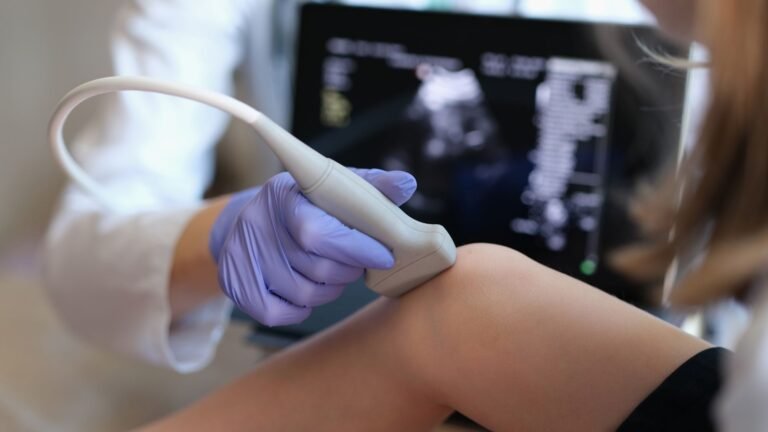
We at our center perform these injections using ultrasound guidance. In fact we are the only orthopedic center in our city Meerut to provide service of ultrasound guided procedures for pain.
If conservative treatments fail and pain affects daily activities, procedures such as high tibial osteotomy, or total/partial knee replacement may be considered. These options help restore movement and reduce long-term disability.
Consistency matters more than intensity.
Consult us if knee pain begins to interfere with your routine, sleep, or ability to exercise. Ignoring symptoms can lead to progressive joint damage and decreased mobility.
Knee osteoarthritis is common, but it doesn’t have to control your life. With timely diagnosis, proper physiotherapy, joint-friendly activities, nutrition, and—when required—advanced medical treatments, most people can continue to walk comfortably and perform daily activities without chronic pain.