Dr. Rahul Chauhan
Sports Injury Specialist | Endoscopic Spine Surgeon | Ultrasound-Guided Orthopaedic Procedures
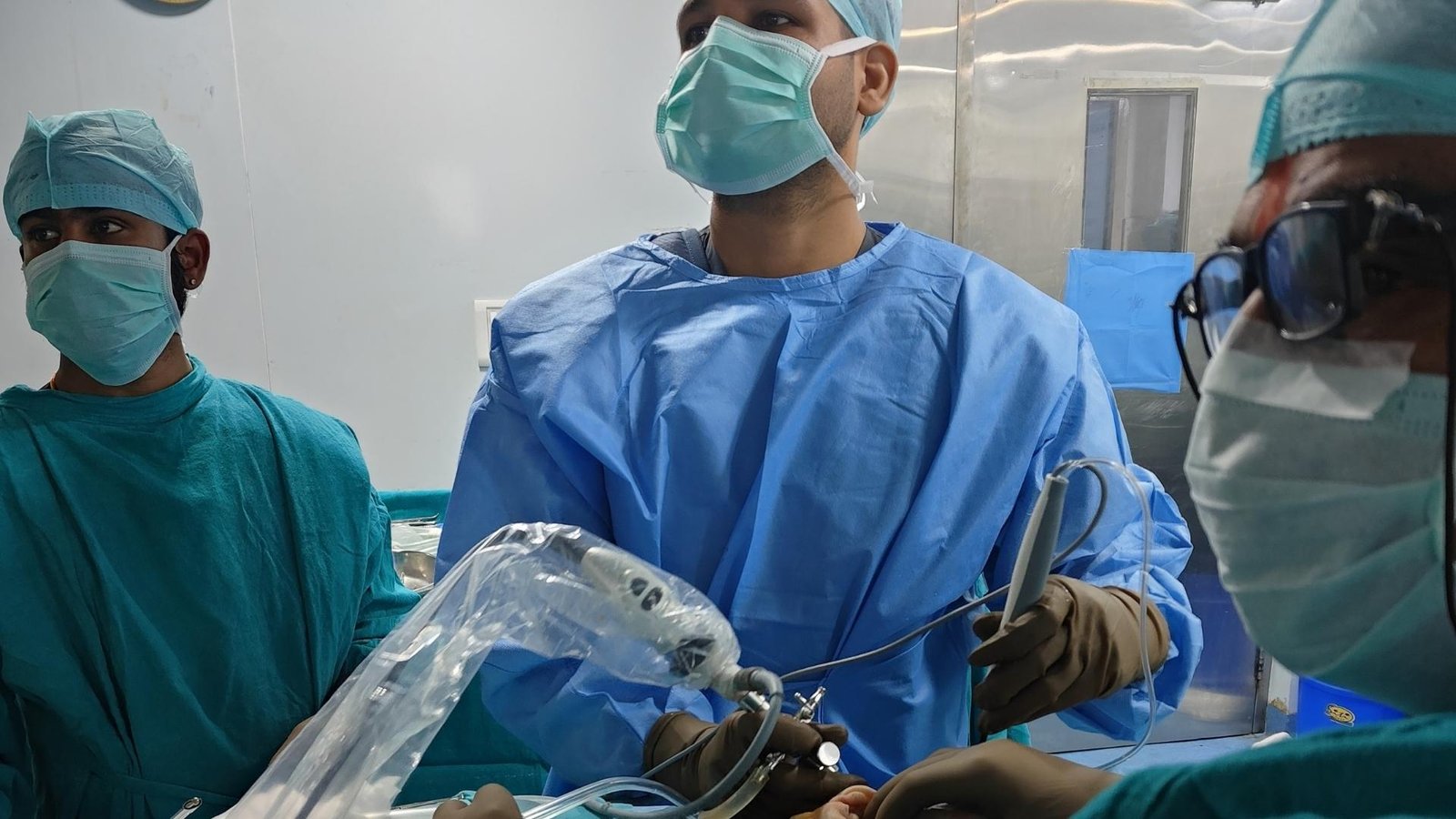
Endoscopic spine surgery is an advanced, minimally invasive technique used to treat conditions like disc bulge, sciatica and nerve root compression with very small incisions, minimal tissue damage and faster recovery than traditional open spine surgery.
Instead of a large cut on the back, the surgeon uses a camera (endoscope) and fine instruments to remove the portion of the disc or tissue that is pressing on the nerve — relieving pain while preserving normal spinal structures.
Endoscopic surgery may be recommended for patients with:
It is especially suitable when the pain radiates down the leg and MRI confirms compression of the nerve root.
Patients typically walk within a few hours of surgery.
| Open spine surgery | Microscopic spine surgery | Endoscopic spine surgery | |
| Incision | 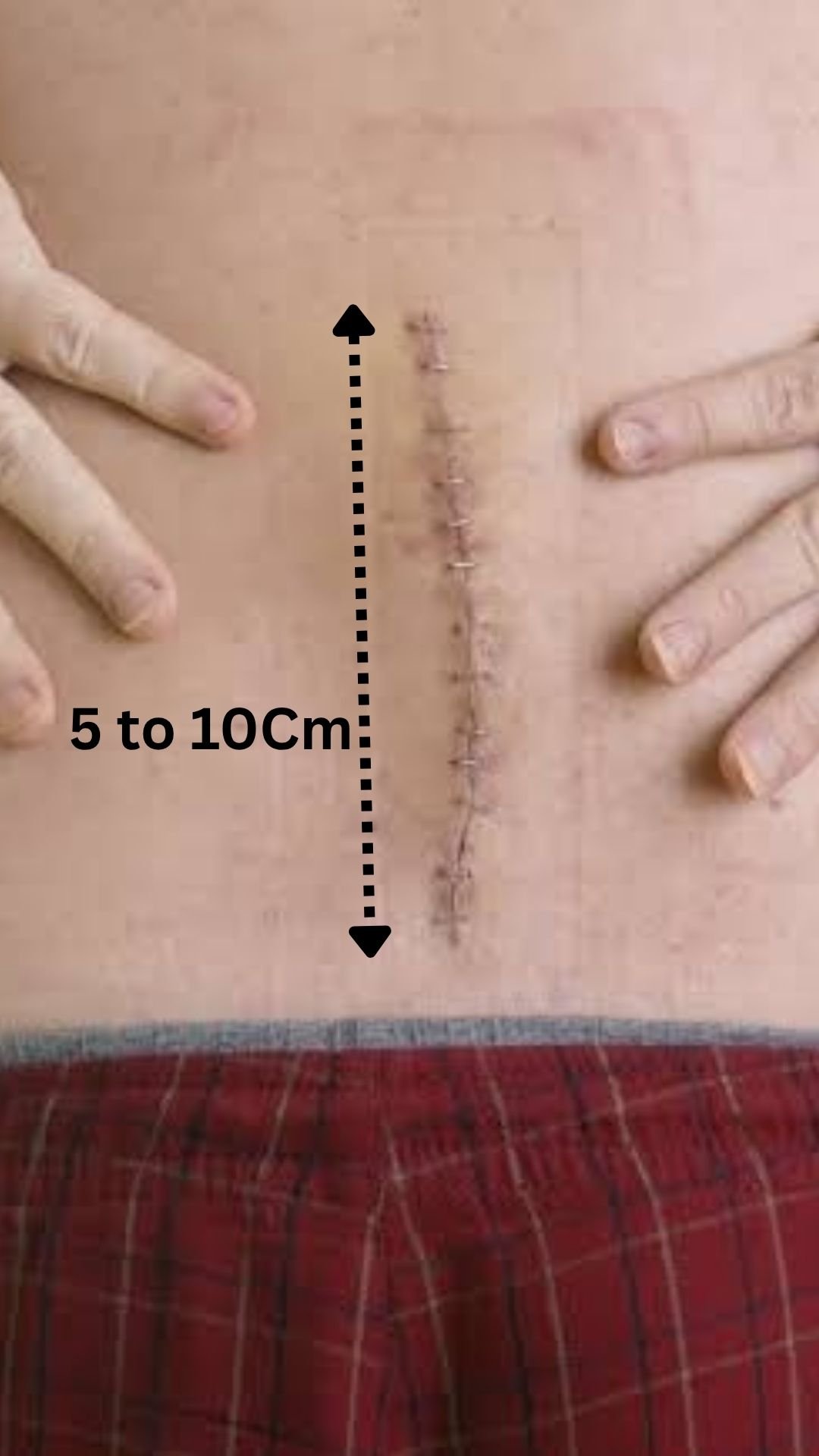 5 to 10 Cm | 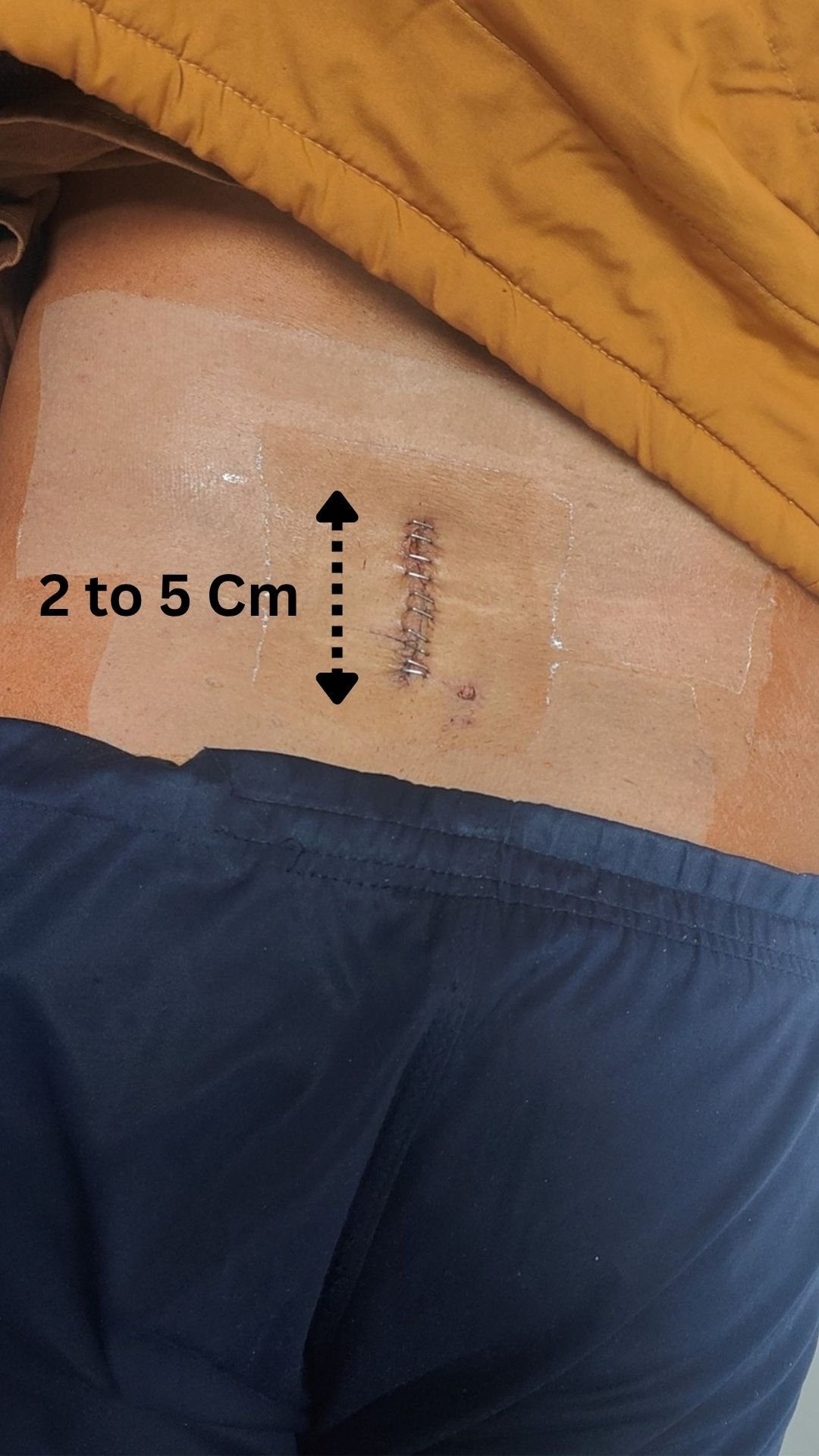 2 to 5 Cm | 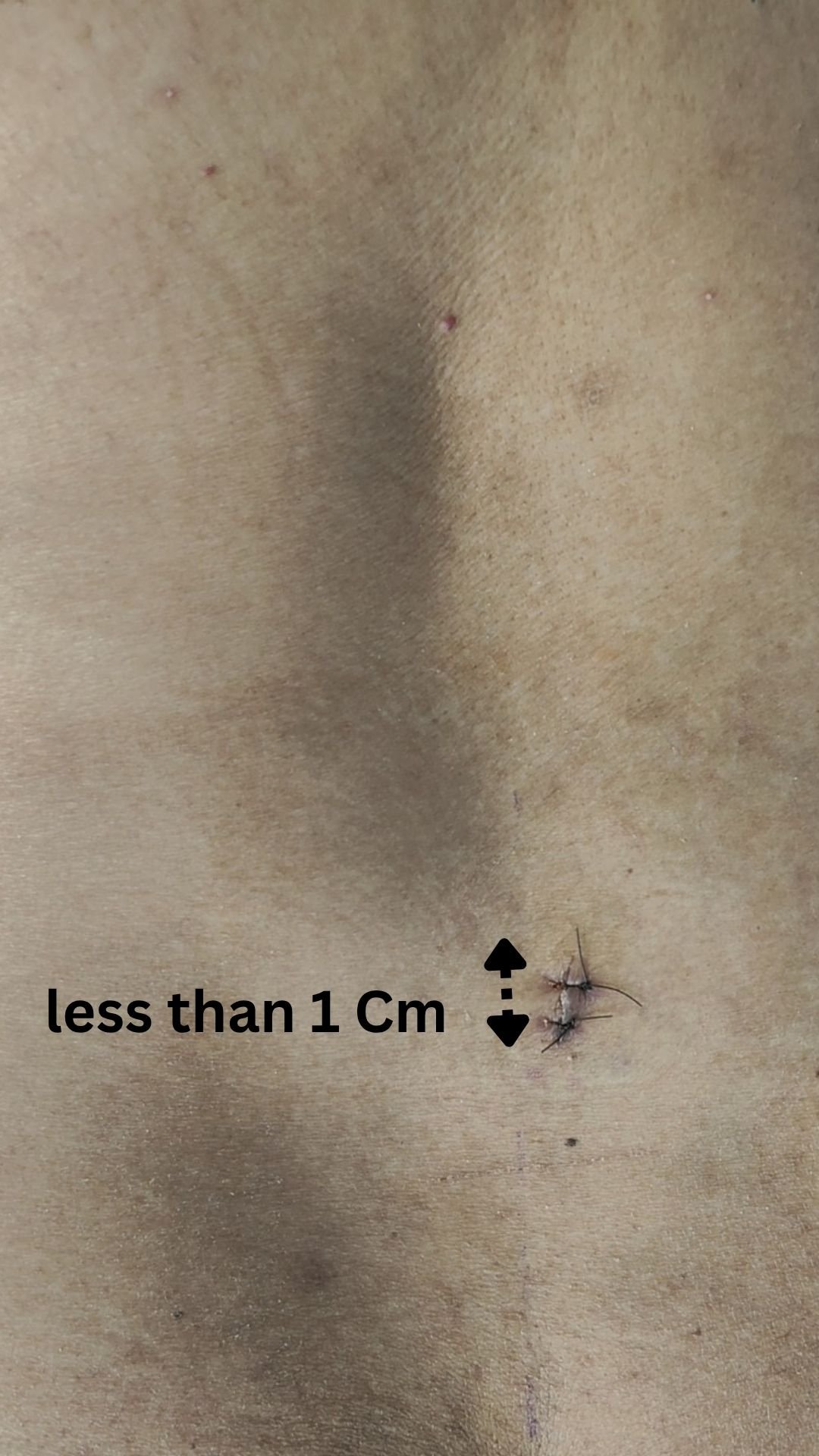 less than 1 Cm |
| Technique | No microscope or endoscope involved | 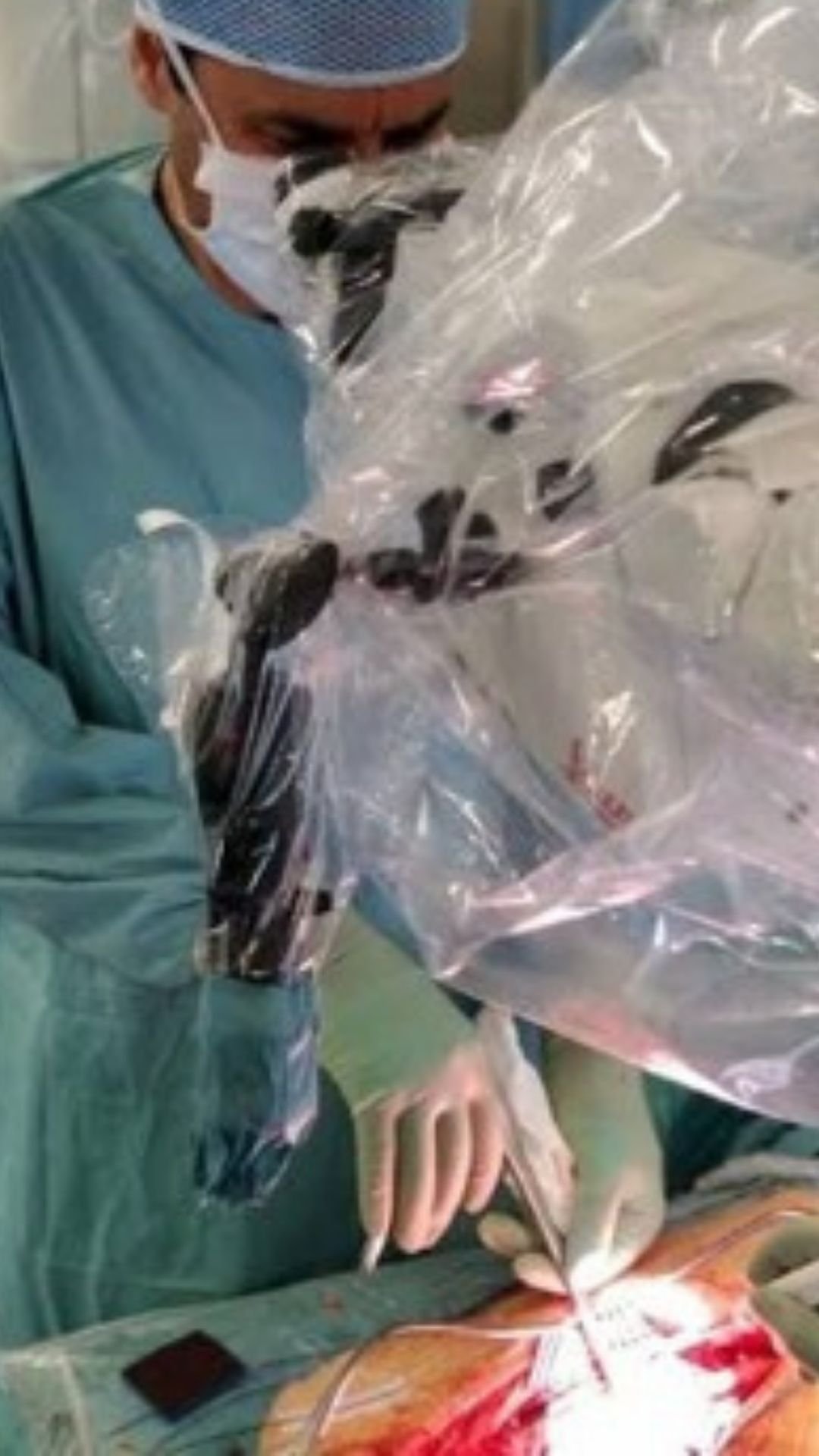 Microscope outside the incision | 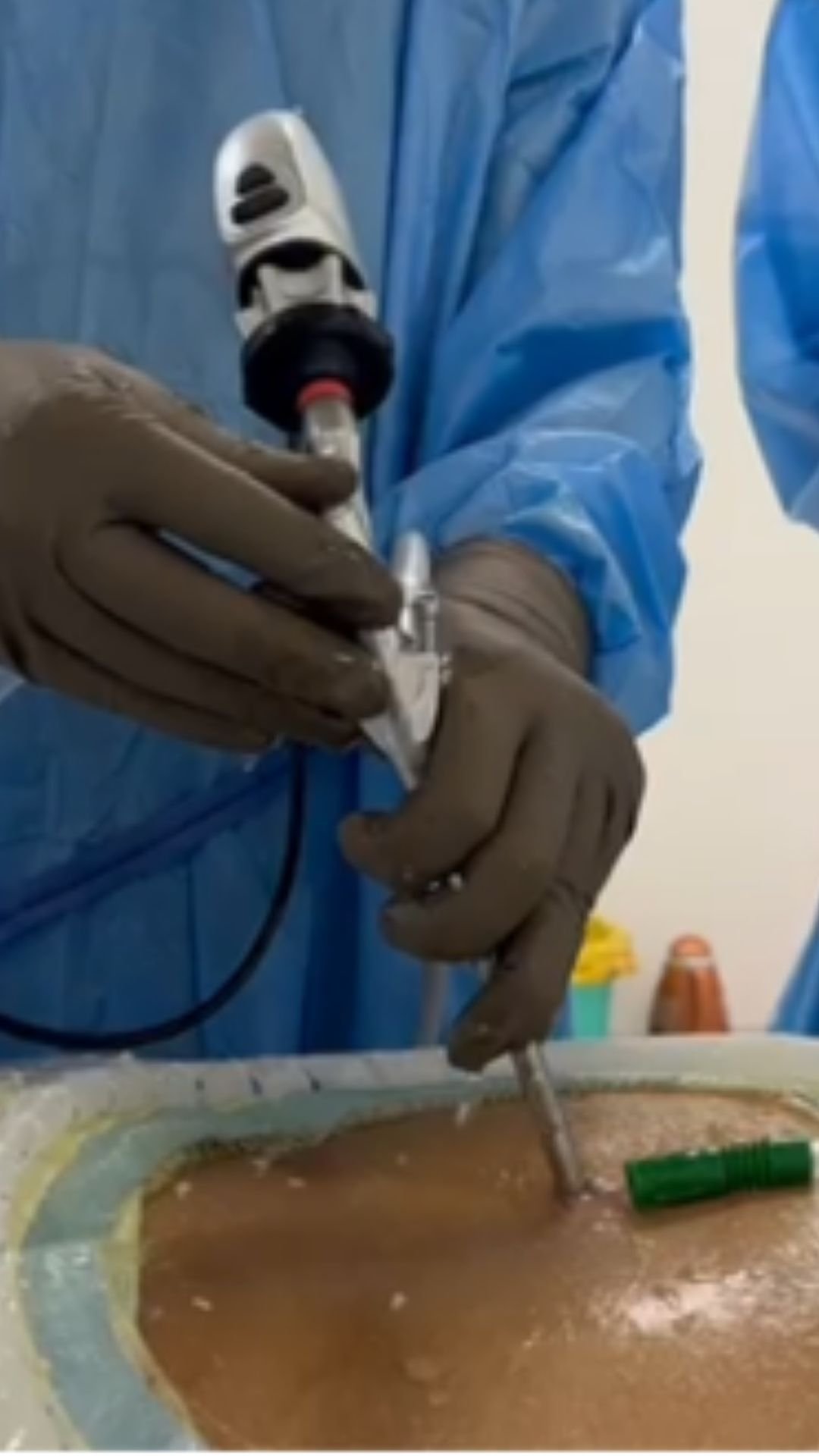 Endoscope inside the incision |
| Field of vision | Filled with blood | Not bloodless | Bloodless |
| Visualization | Poor | Magnified but field not bloodless | Magnified and bloodless field |
| Dry vs Fluid irrigation | Dry | Dry | Performed under continuous fluid irrigation. It stops bleeding, washes away blood and makes the field bloodless |
| Blood loss | May be high but depends on the technique | Usually low | Usually very low |
| Damage to muscles | Can be very damaging to muscles but depends on technique | Less damaging to muscles | Almost no damage to muscles (muscle sparing surgery) |
| Post op pain | Painful | Less painful | Almost painless |
| Post op recovery | Slow | Fast | Very fast |
| Technical expertise required | Not that much | Very high | Very high |
Endoscopic spine surgery offers many benefits:
For many patients, it is the least invasive effective surgical option for disc-related nerve compression.
UBE (unilateral biportal endoscopy) is performed through two separate incisions which lies on the same side of midline. It has advantage of free hand movement during surgery. Learning curve is a bit steeper than IELD and PELD.
IELD (Interlaminar endoscopic lumbar discectomy) is performed through a single incision. Both the scope and working instruments pass through same incision. It has advantage of using a single incision and is fast in expert hands.
PELD (Percutaneous endoscopic lumbar discectomy) is also performed through a single incision. It can be performed under regional anaesthesia. It can only be used for limited indications.
At our center we perform all three of these endoscopic spine surgeries. Choice of surgery depends on the cause and morphology of patient’s symptoms.
Surgeons may perform different approaches depending on the disc location, such as interlaminar or transforaminal endoscopy.
Most patients walk the same day and go home within 24 hours.
Typical recovery timeline:
| Time | Activity |
|---|---|
| 24 hours | Walking allowed |
| 1–2 weeks | Desk job / light routine work |
| 4–6 weeks | Non-impact exercises & strengthening |
| 6–8 weeks | Resume regular activities |
| 2–3 months | Sports / heavy activity (after surgeon clearance) |
Physiotherapy and regular exercises help prevent recurrence and improve long-term spine health.
Endoscopic spine surgery has an excellent success rate when performed for the right indication.
Although it is less invasive, it is a technically advanced procedure that requires specialized training and experience.
Patients choose endoscopic spine surgery because they want:
Surgery in Meerut at our center costs about half of whatever is the cost in Delhi for the same surgery. We also cover surgery in Ayushman and CGHS.
Endoscopic spine surgery is a modern, minimally invasive and highly precise solution for disc prolapse and sciatica that fail to improve with conservative treatment. With smaller incisions, quicker recovery and excellent outcomes, it has become one of the most preferred surgical options for spine patients today.