Dr. Rahul Chauhan
Sports Injury Specialist | Endoscopic Spine Surgeon | Ultrasound-Guided Orthopaedic Procedures
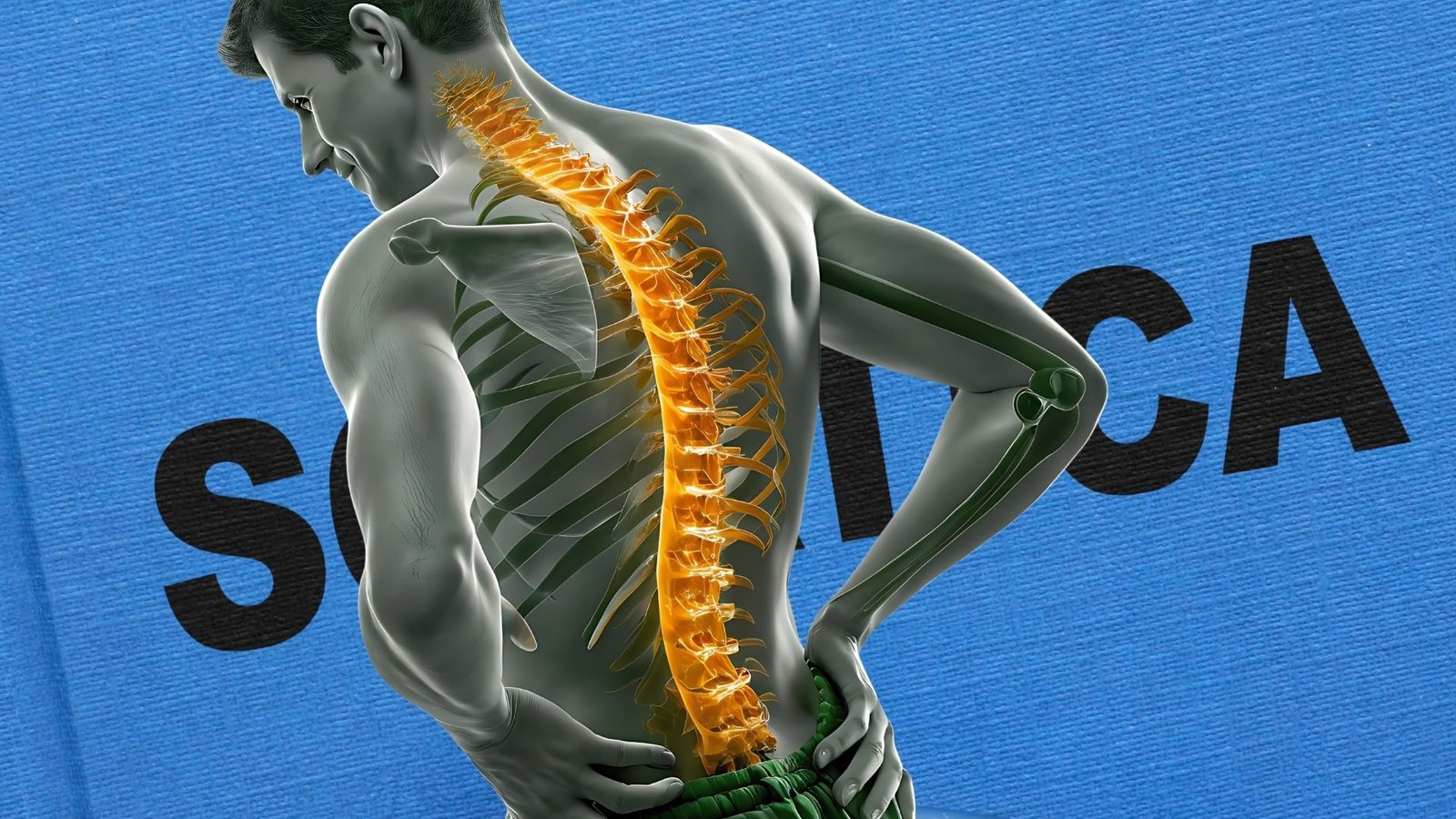
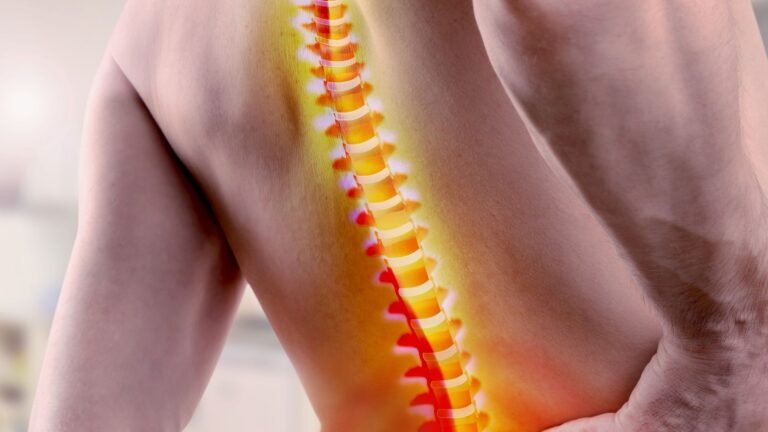
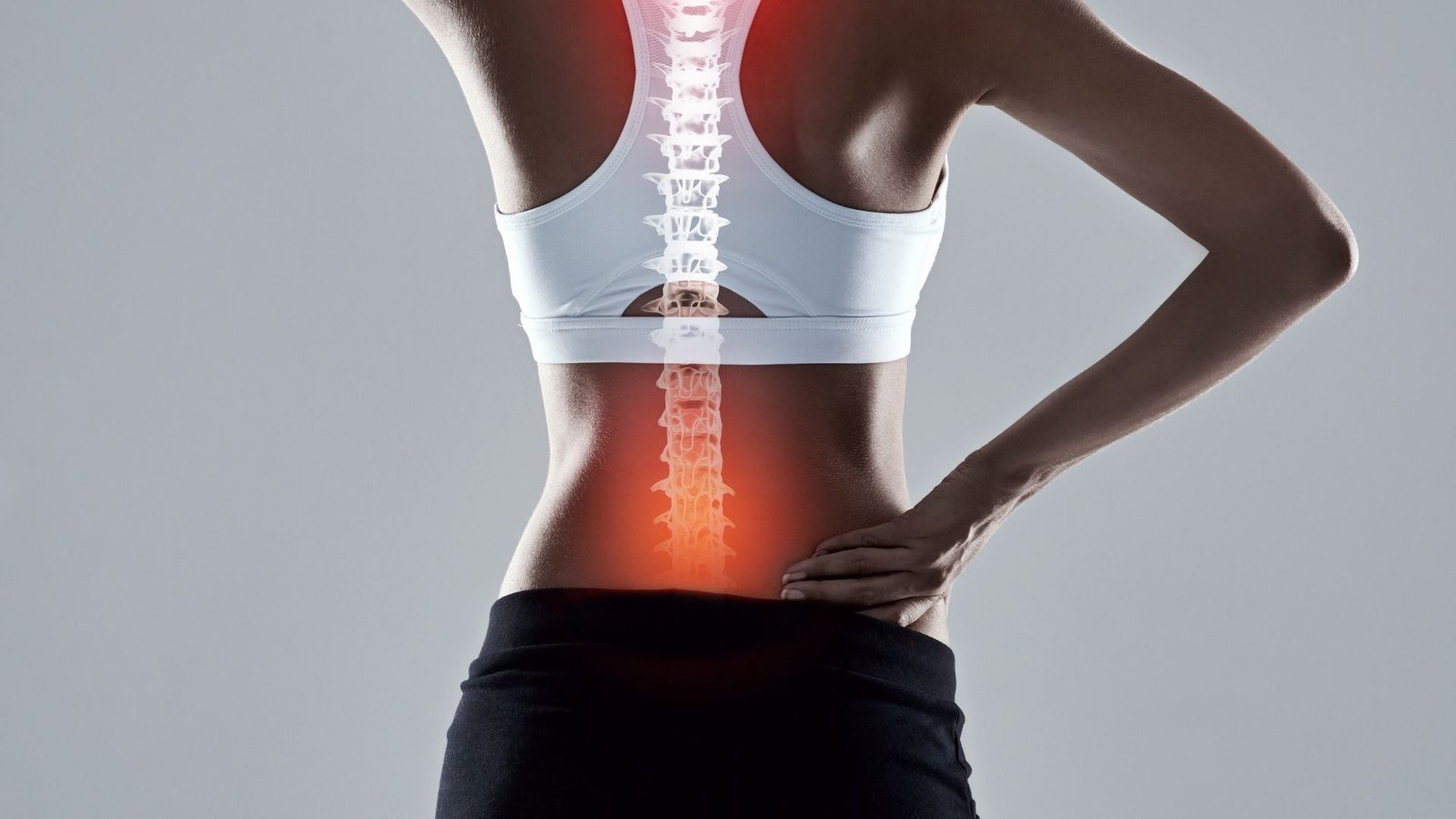
Sciatica refers to pain that starts in the lower back and travels down the buttock and leg, following the course of the sciatic nerve. The pain may feel sharp, burning, shooting or electric-like, and in many people, it reaches the calf or foot.
The most common cause of sciatica in adults is a disc bulge (slipped disc) in the lower back, pressing on a nerve root.
Between the bones of the spine are soft cushions called intervertebral discs, which allow smooth movement and act as shock absorbers.
A disc bulge occurs when the inner soft part of a disc pushes outward and irritates or compresses the nearby nerve. If the nerve root involved is part of the sciatic nerve, leg pain and neurological symptoms can follow.
A disc prolapse can develop suddenly or gradually due to:
Disc prolapse can also occur alongside spinal stenosis or spondylolisthesis, but these are less common.
People may experience:
Symptoms are usually on one side, but both legs may be affected in rare cases.
Seek urgent medical attention if there is:
These symptoms may indicate cauda equina syndrome or severe nerve compression.
Diagnosis is based on history, examination and spine imaging.
Clinical tests such as SLR (Straight Leg Raise) and neurological examination help assess severity and nerve involvement.
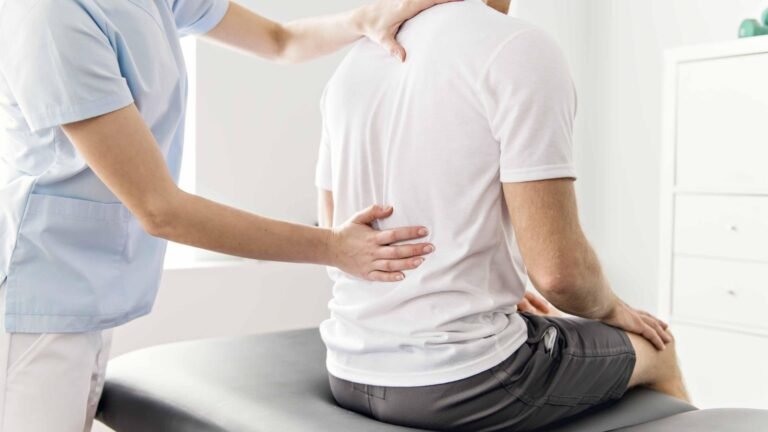
Most patients with disc bulge and sciatica improve without surgery.
First-line treatment typically includes:
These measures reduce inflammation, ease nerve irritation and improve function.
If pain remains significant despite conservative treatment, steroid injections around the inflamed nerves may be recommended. These include:
These procedures help reduce inflammation around the nerve and allow more effective physiotherapy.
Surgery is considered if:
Surgical options include:
All these procedures aim to remove the part of the disc pressing on the nerve while preserving normal structures and enabling quicker recovery.
At our centre, we perform all the above procedures regularly.
We are currently the only facility in Meerut offering endoscopic discectomy, the most advanced and minimally invasive surgical option available today.
Once acute pain settles, exercises are one of the best tools to prevent recurrence.
Physiotherapy usually involves:
Exercises are best learned under supervision and then done consistently at home.
Most people recover well with the right treatment approach. Long-term spinal health depends on:
Sciatica and disc bulge are common problems, but in most cases they are treatable without surgery. When required, modern minimally invasive spine procedures — including endoscopic discectomy — provide fast recovery, small incisions and excellent pain relief.